 Free worldwide shipping
 14-day returns
 Reply within 24 h

Kamon - the family crests of Japan
Simple, round emblems of flowers, leaves, birds and lines that identify a family, worn on kimono, banners and armour for over a thousand years.
- In Japanese
- 家紋 (kamon)
- Type
- Family emblem
- Symbol of
- Family, belonging, honour
- Look for
- A circle with a flower, leaf or geometric design
What is a kamon?
A kamon is a family crest. Most are designed in a circle and use plants, animals, objects or geometric shapes, drawn in a clean, flat style.
History
Crests began with court nobles in the Heian period and spread to the samurai, who put them on banners, armour and tents to tell friend from foe. Later, merchant and farming families used them too.
What it means
- Family
- the sign of a household
- Belonging
- friend and foe on the battlefield
- Honour
- the crest carries the family name
Wear the legendAll designs

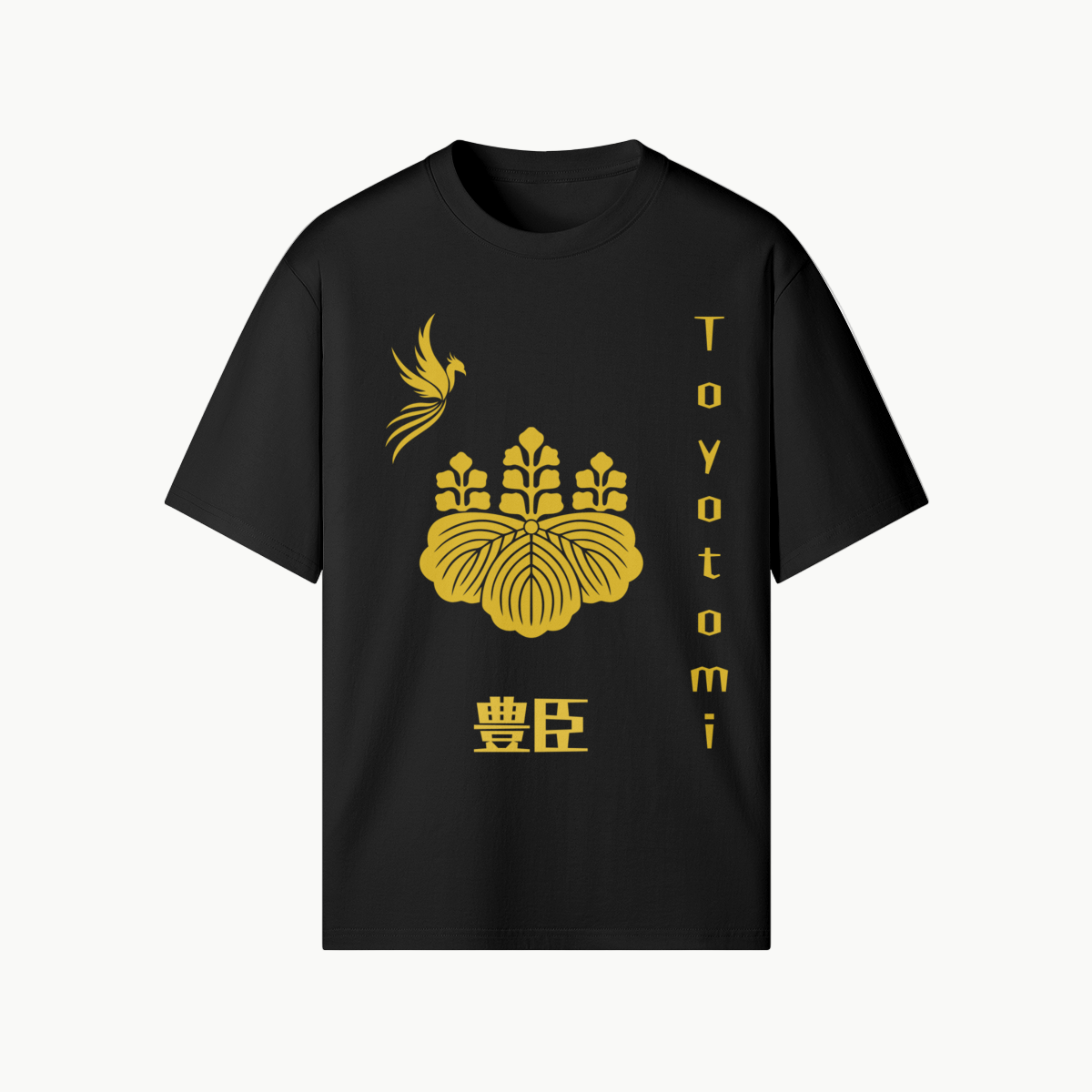
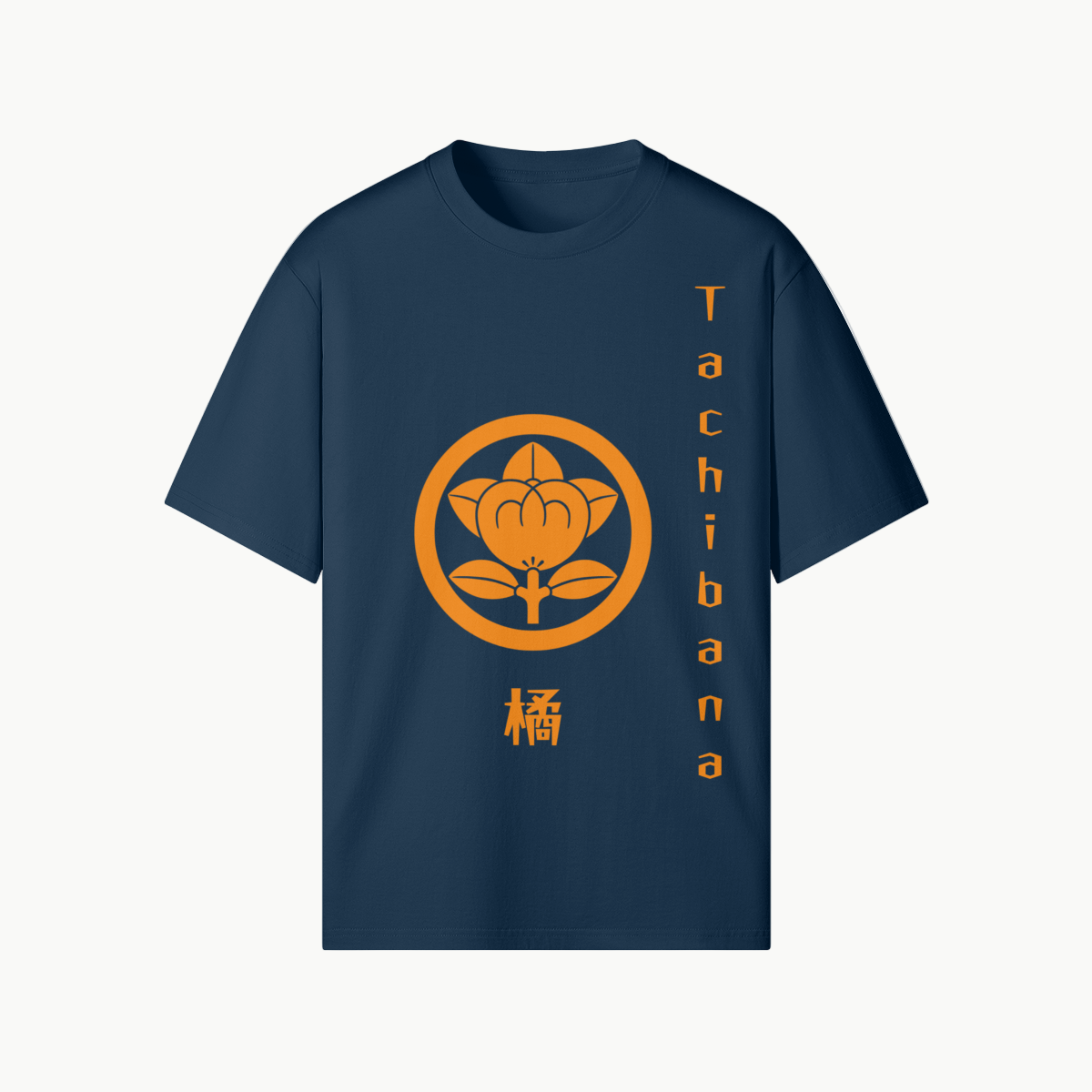
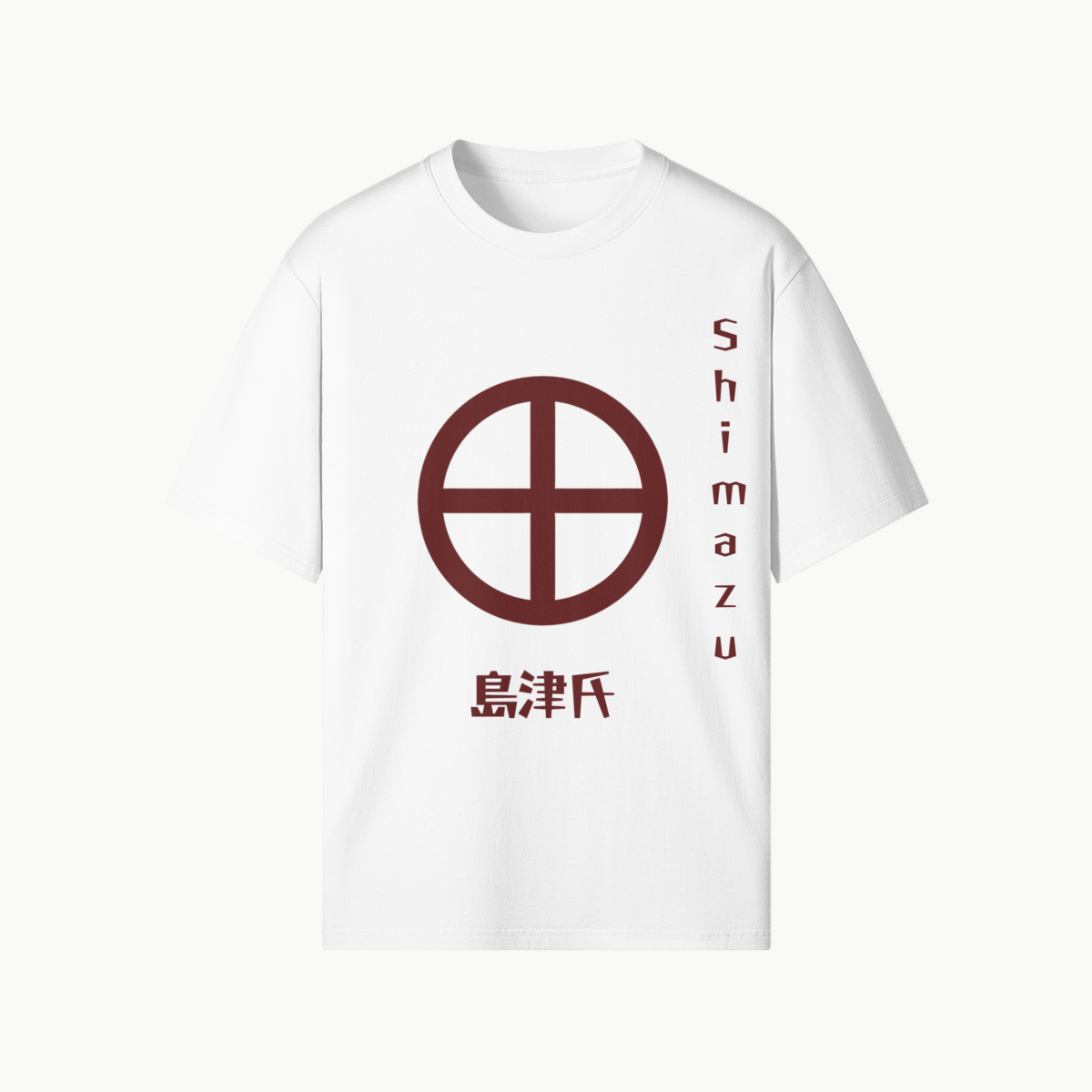
Famous crests
Famous examples include the Tokugawa clan’s crest of three stylised wild ginger leaves and the imperial family’s 16-petal chrysanthemum. Formal montsuki kimono may display the family crest in up to five places.
Questions
Can I wear a kamon that is not my family’s?
Yes. Today kamon are widely used as designs. Crests of historical clans, like those of the samurai, are worn as a tribute to their history.
