 Free worldwide shipping
 14-day returns
 Reply within 24 h
Japanese clothing, art & gifts
Inspired by Japan.Designed for now.
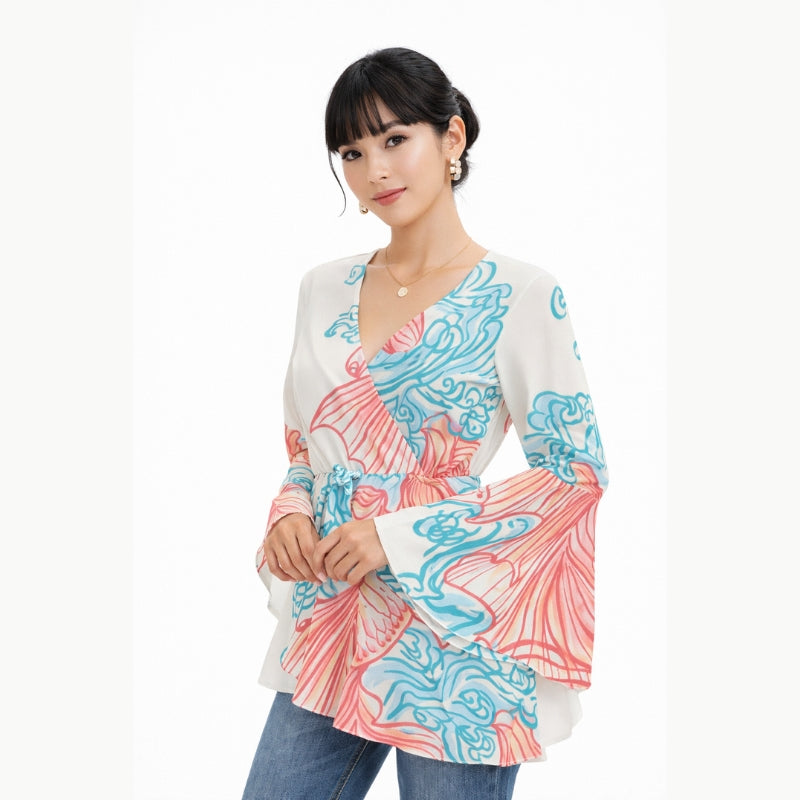
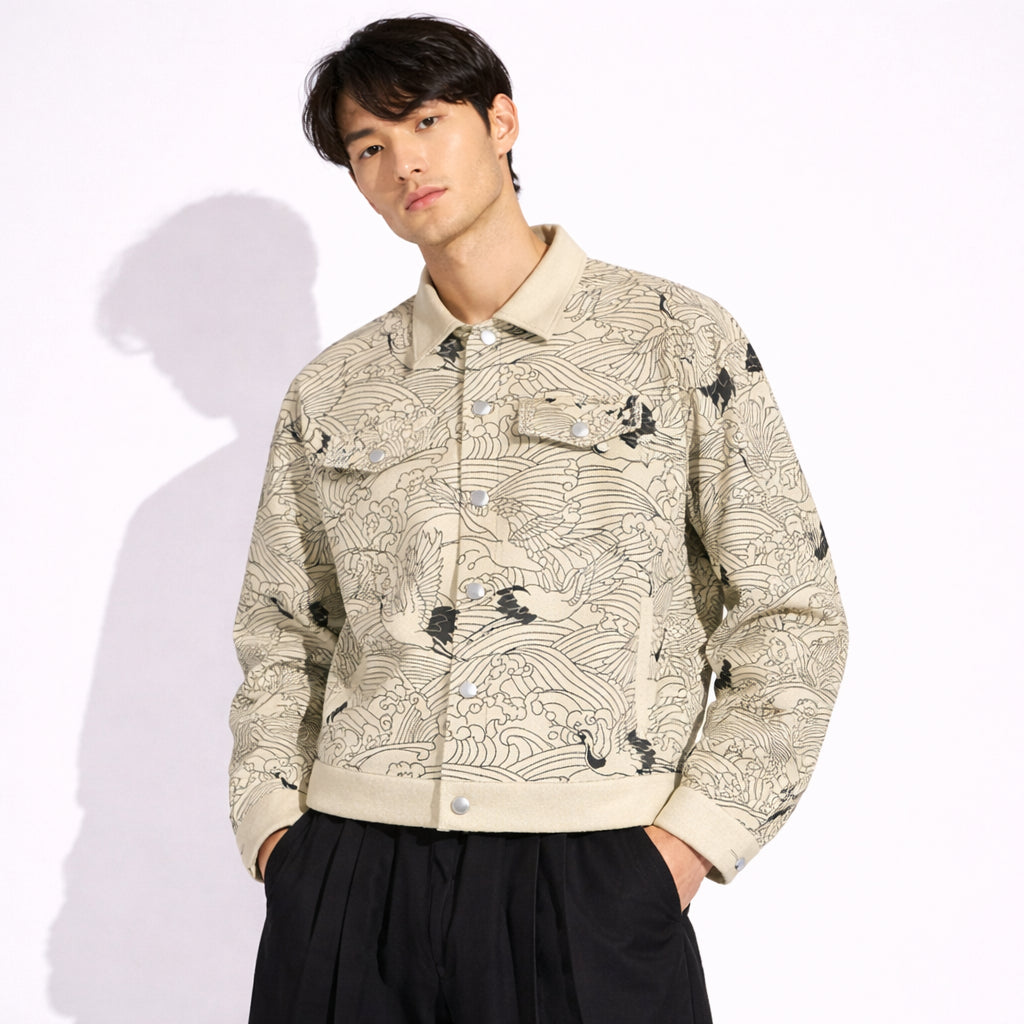
Haori, kimono and streetwear printed with Japan's legends.





Men · Women
Find your fit


Symbols & Legends
Wear the legend
Pick a symbol to see what it means in Japan - and the designs that carry it.
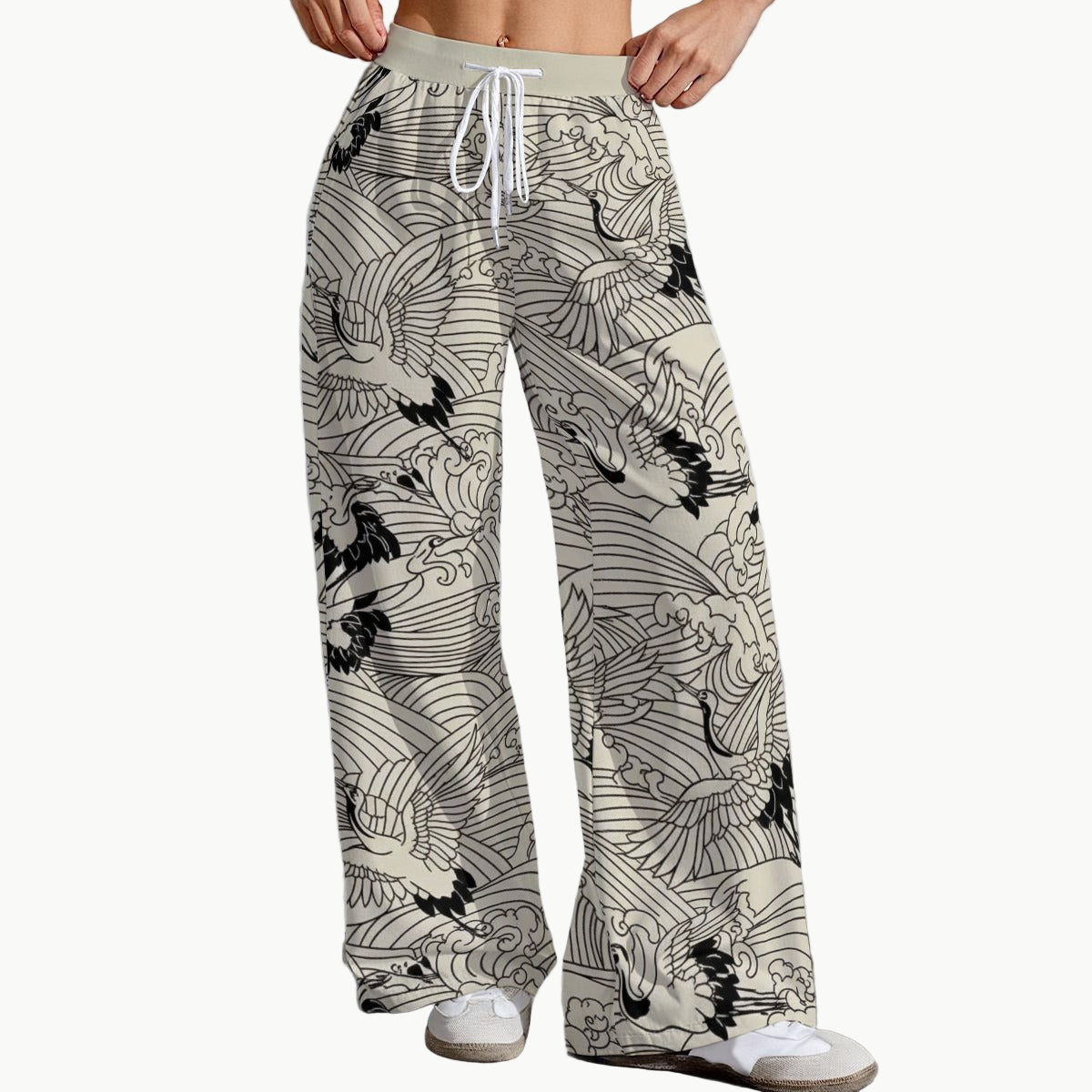
Tsuru - the crane
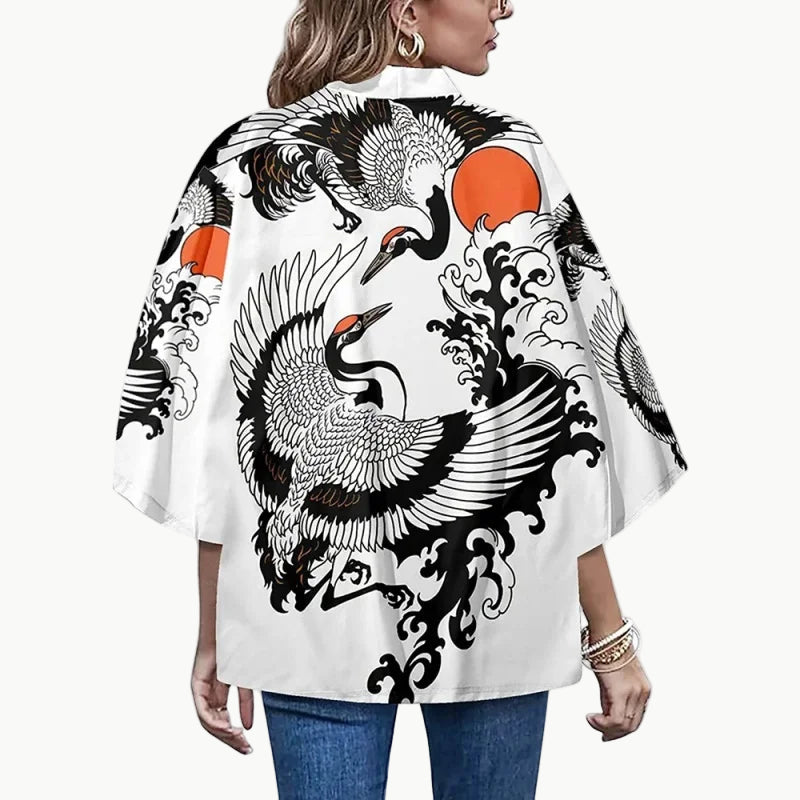
In Japan the crane is said to live a thousand years, and cranes often form lasting pairs. That is why they stand for long life, luck and loyalty - and why folding a thousand paper cranes is said to make a wish come true.


Nami - the wave
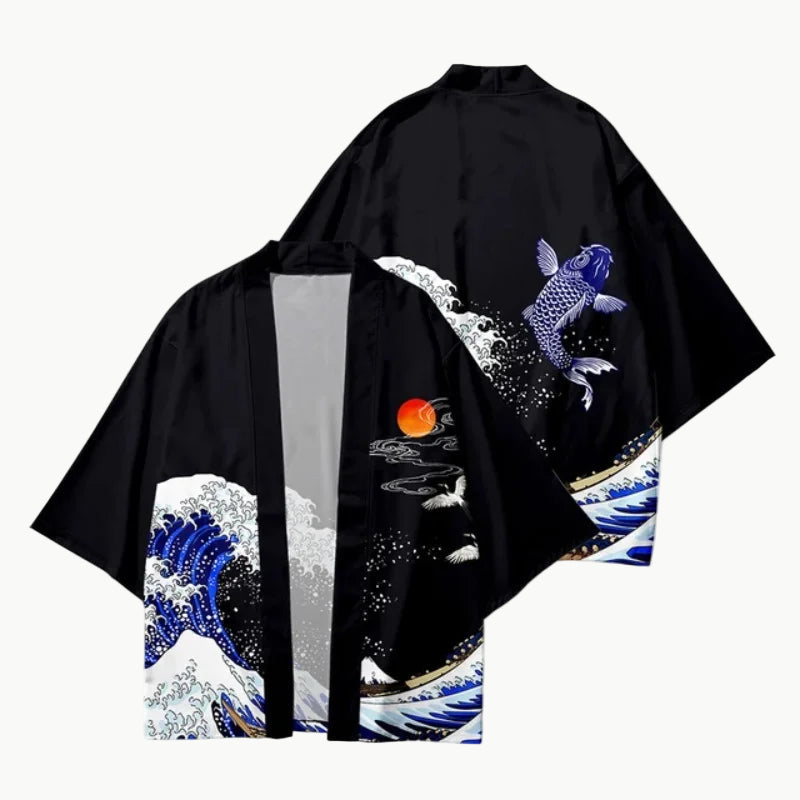
Japan is a country of islands, so the sea is everywhere in its art. Hokusai’s Great Wave off Kanagawa, designed around 1831, is one of the best-known images of the sea’s power. The repeating seigaiha pattern is a wish for peace and good fortune.


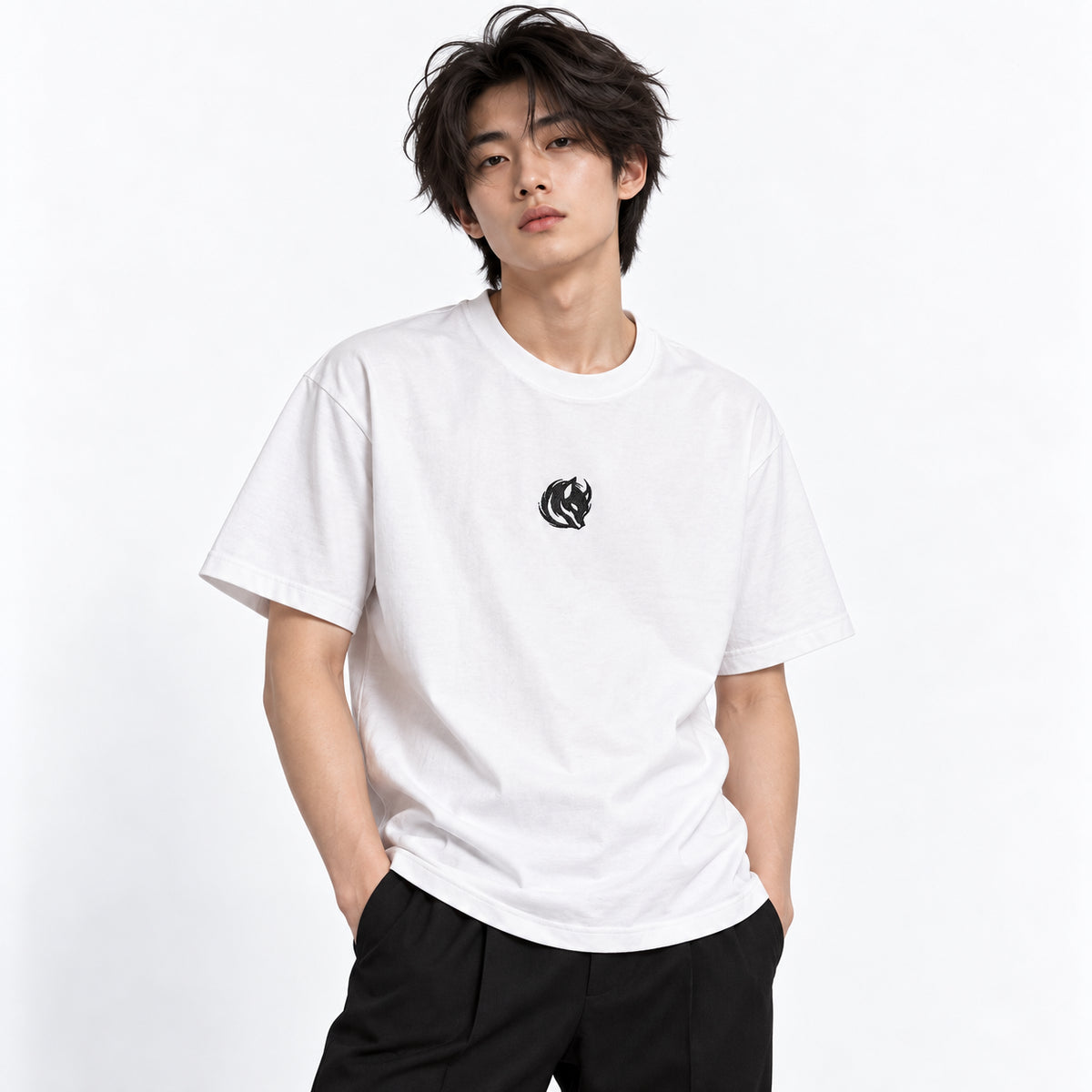
Kitsune - the fox spirit
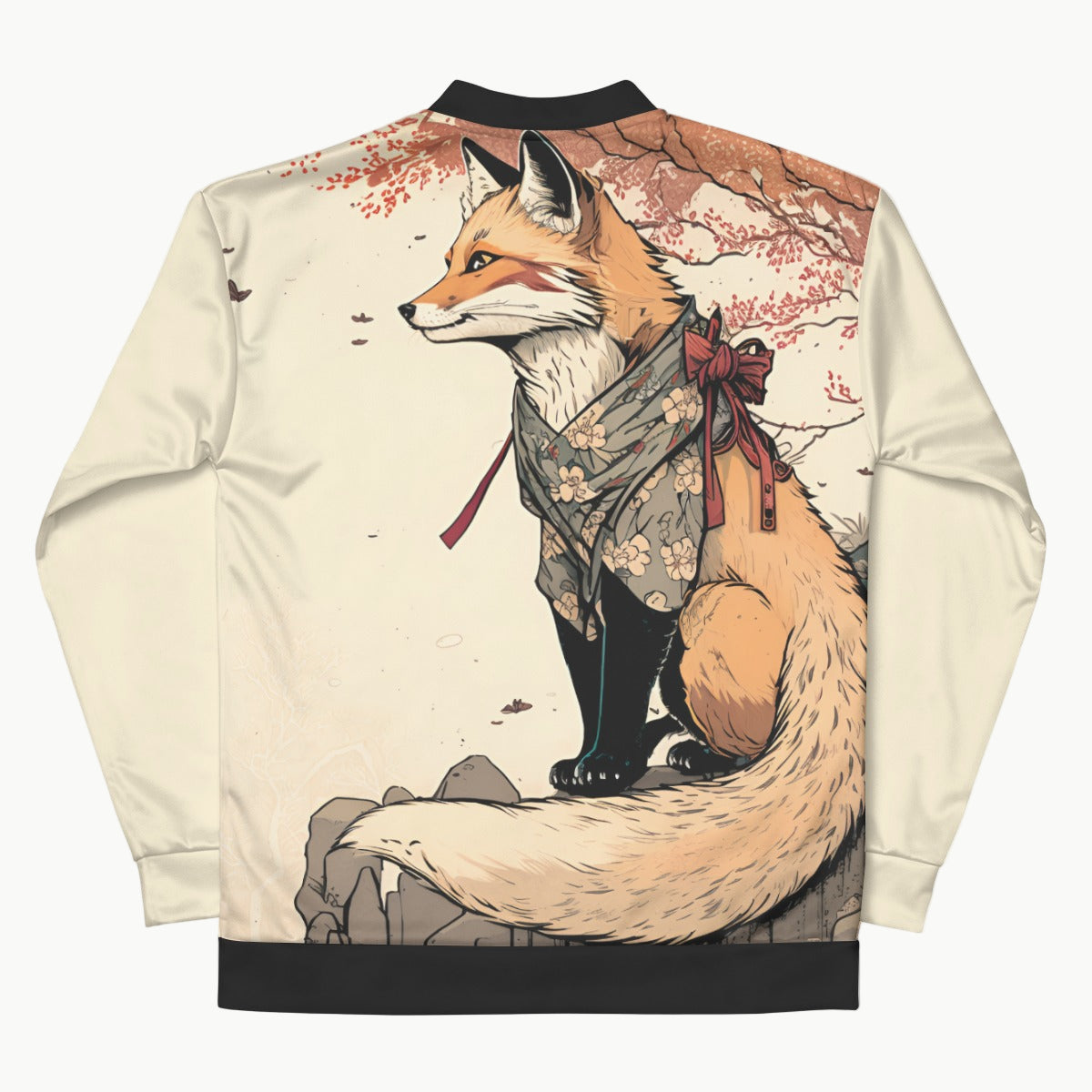
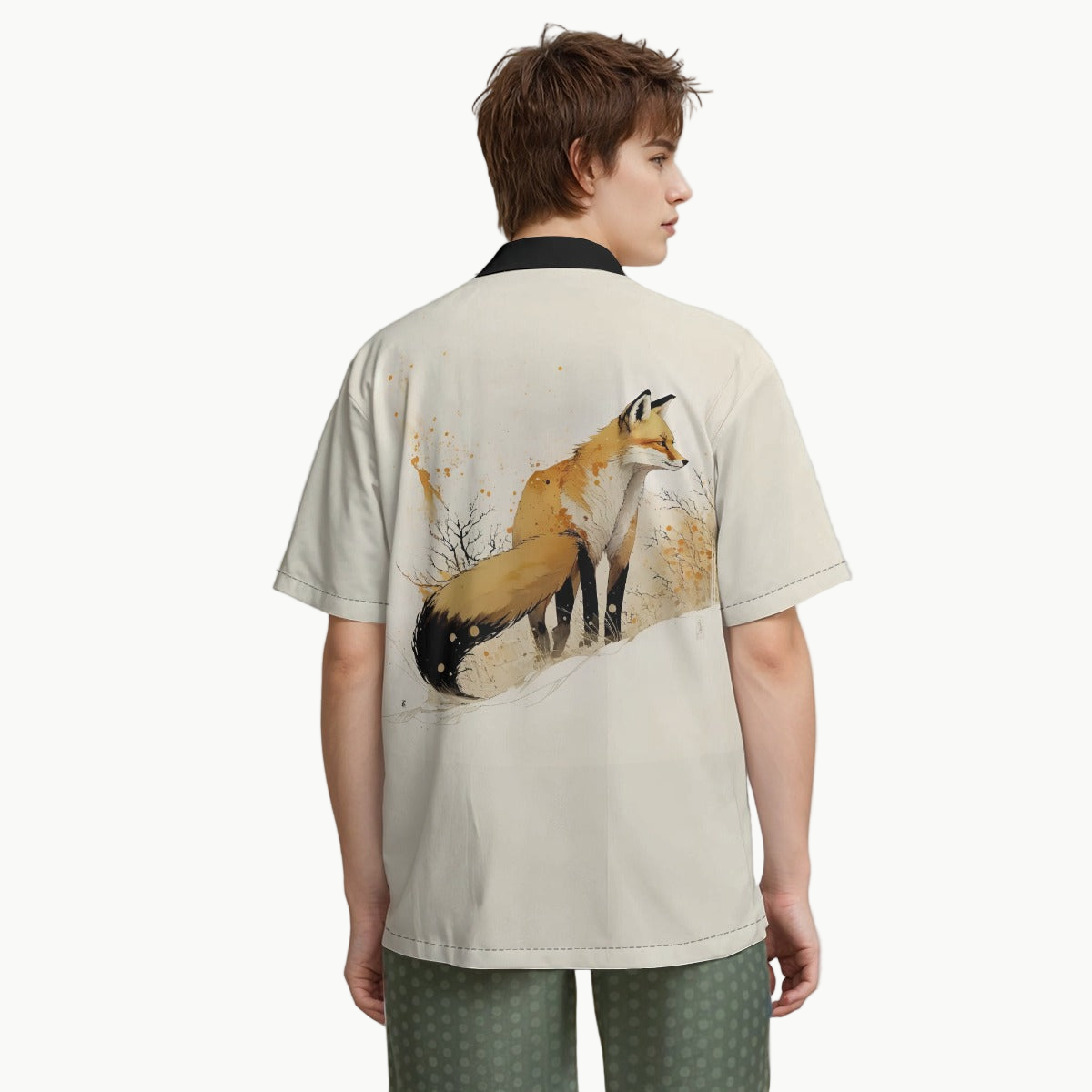
Foxes are messengers of Inari, the deity of rice and prosperity. Stone foxes stand at many Inari shrines. In some tales, a kitsune can change shape and may have up to nine tails.

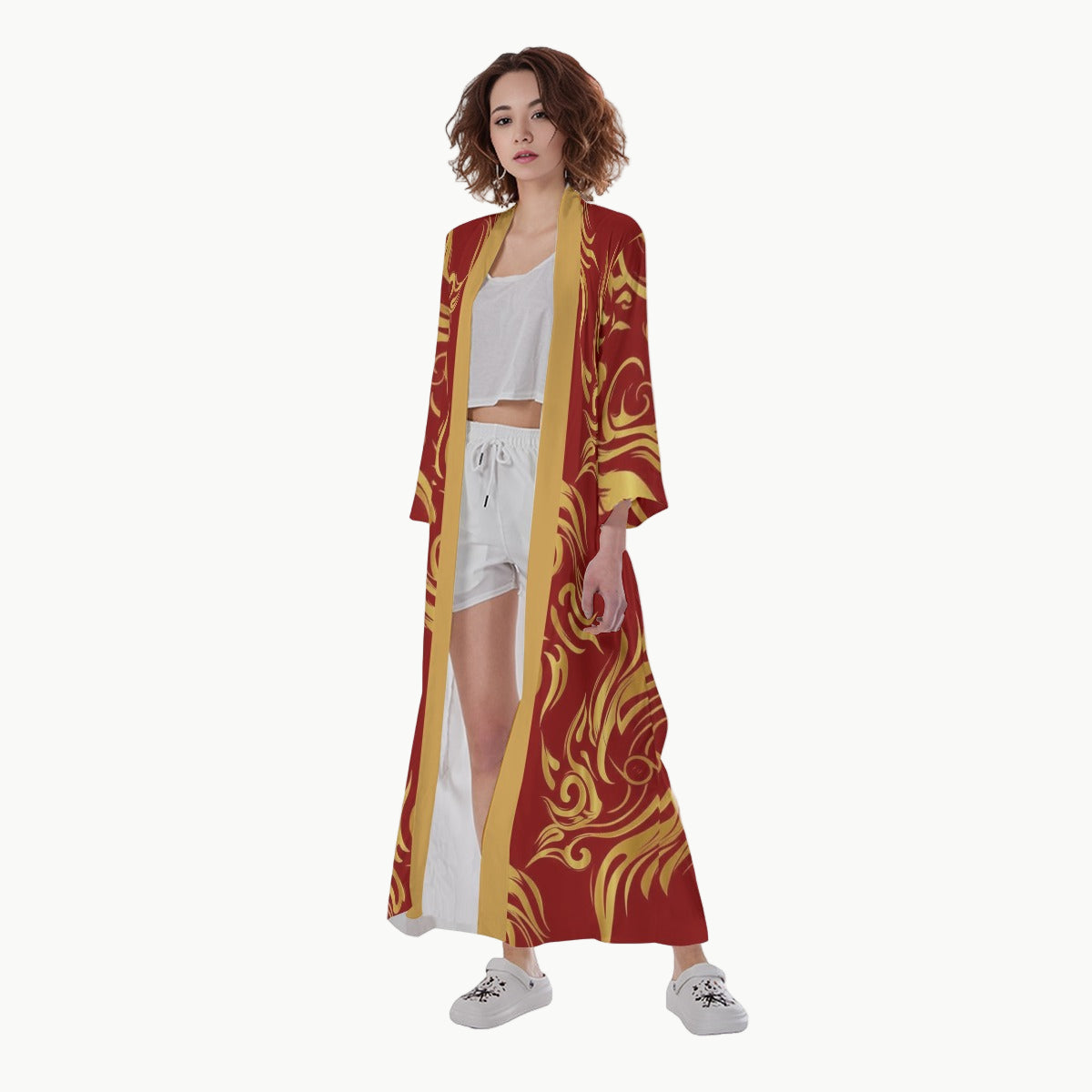
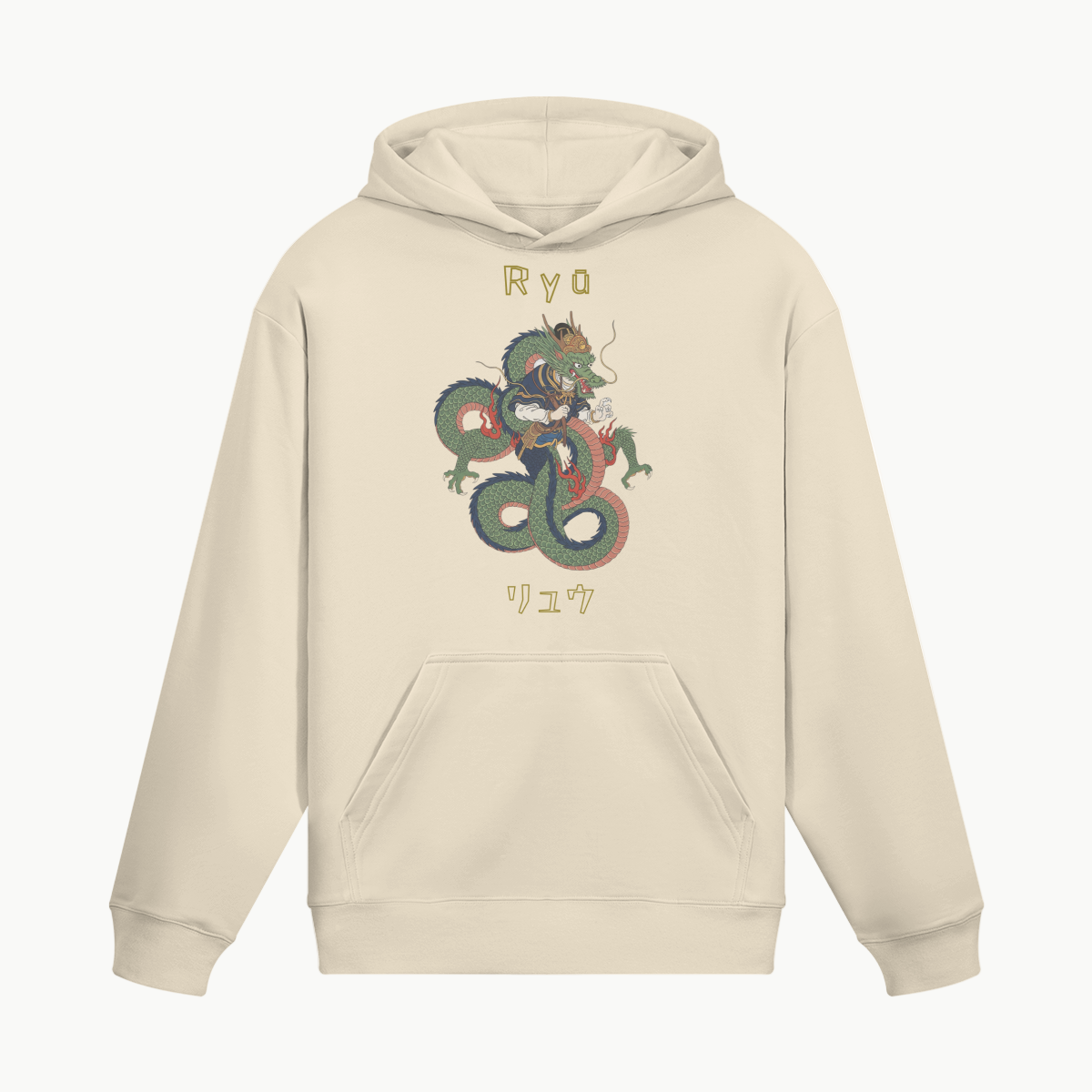
Ryū - the dragon
The Japanese dragon is often associated with water and rain. It is said to live in rivers, seas and clouds and to guard temples. Wingless and often drawn with three claws, it stands for strength used wisely and for good fortune.


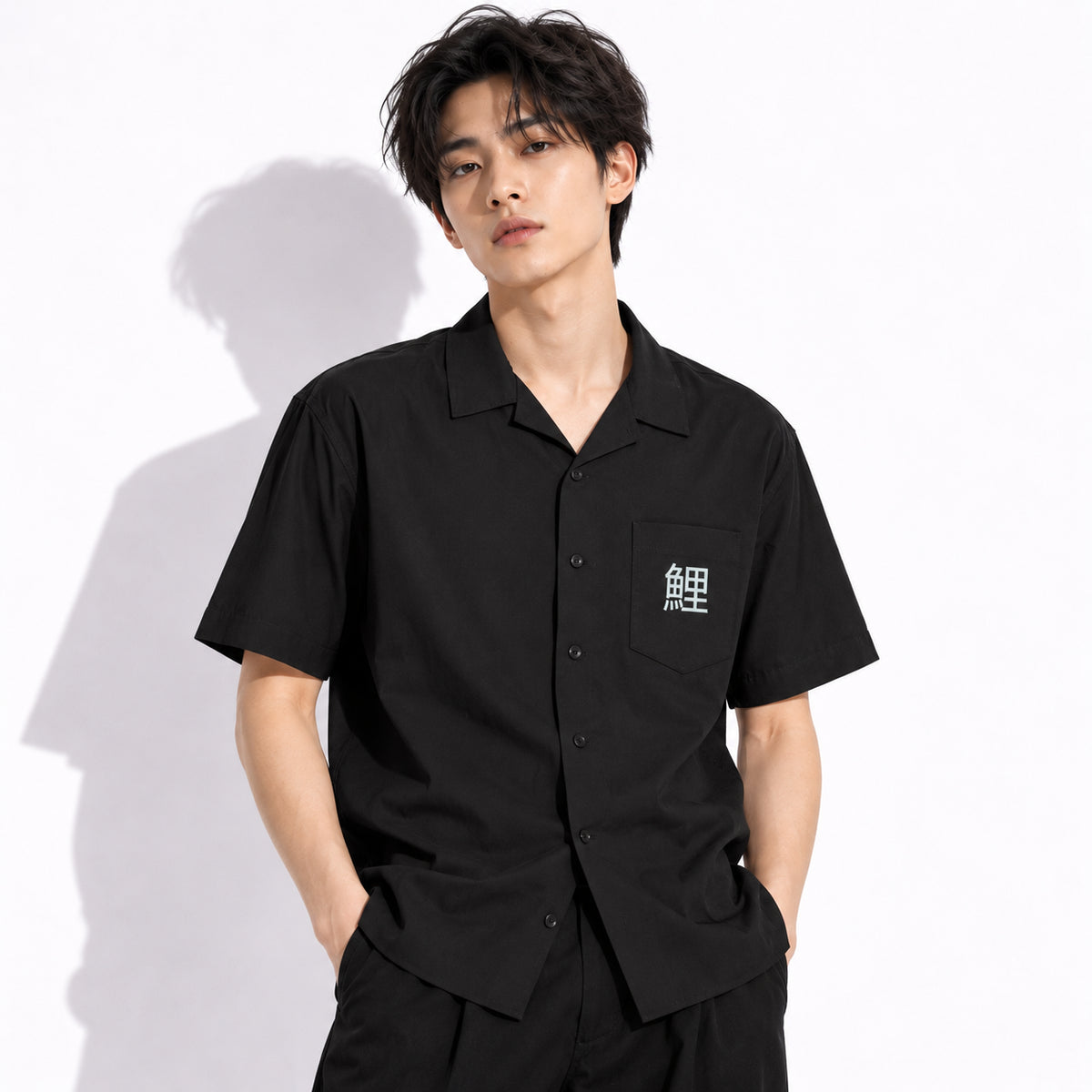
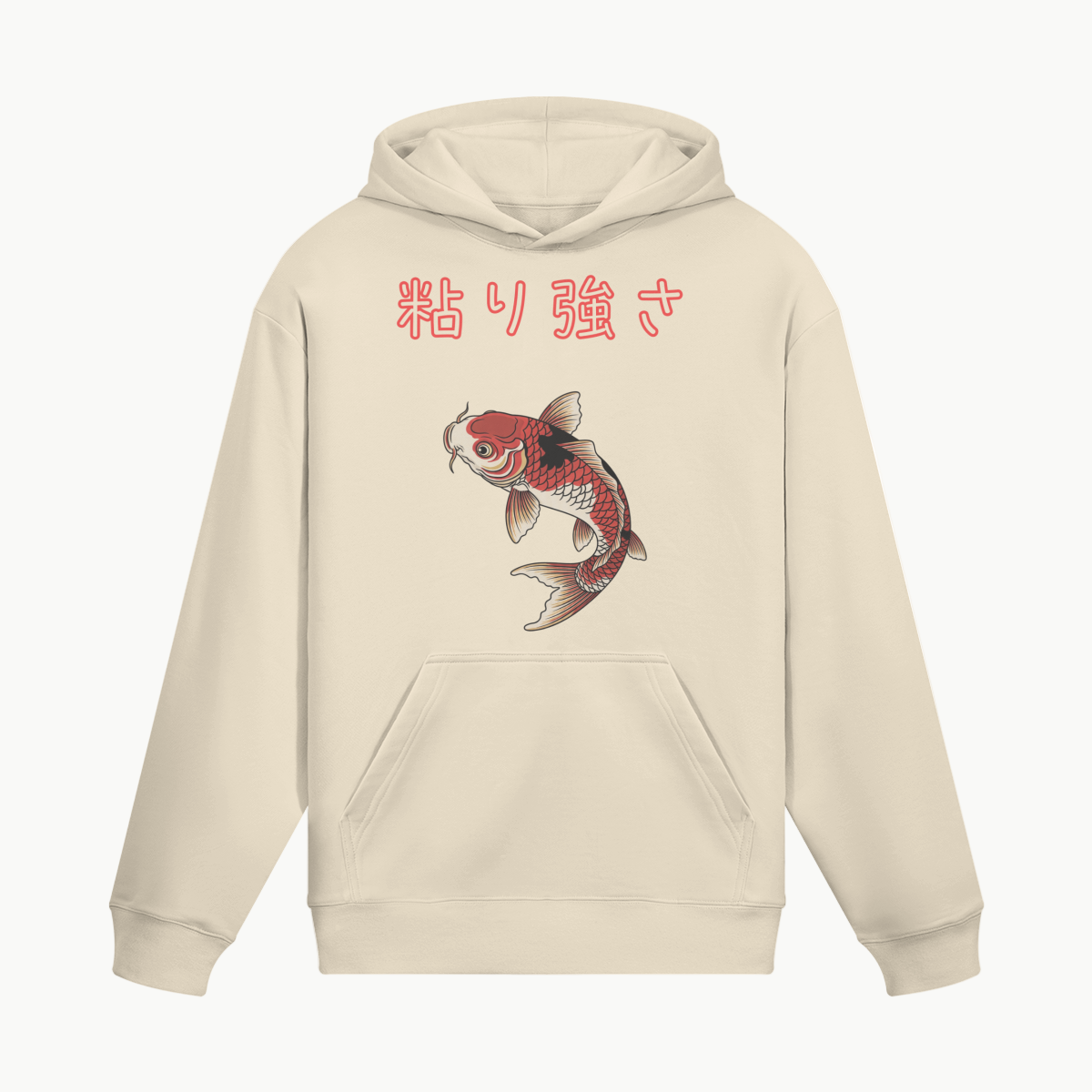
Koi - the carp
A koi swims against the current. Legend says the one that climbs the waterfall becomes a dragon, so the koi stands for perseverance and success. On Children's Day, carp streamers fly over Japanese homes.

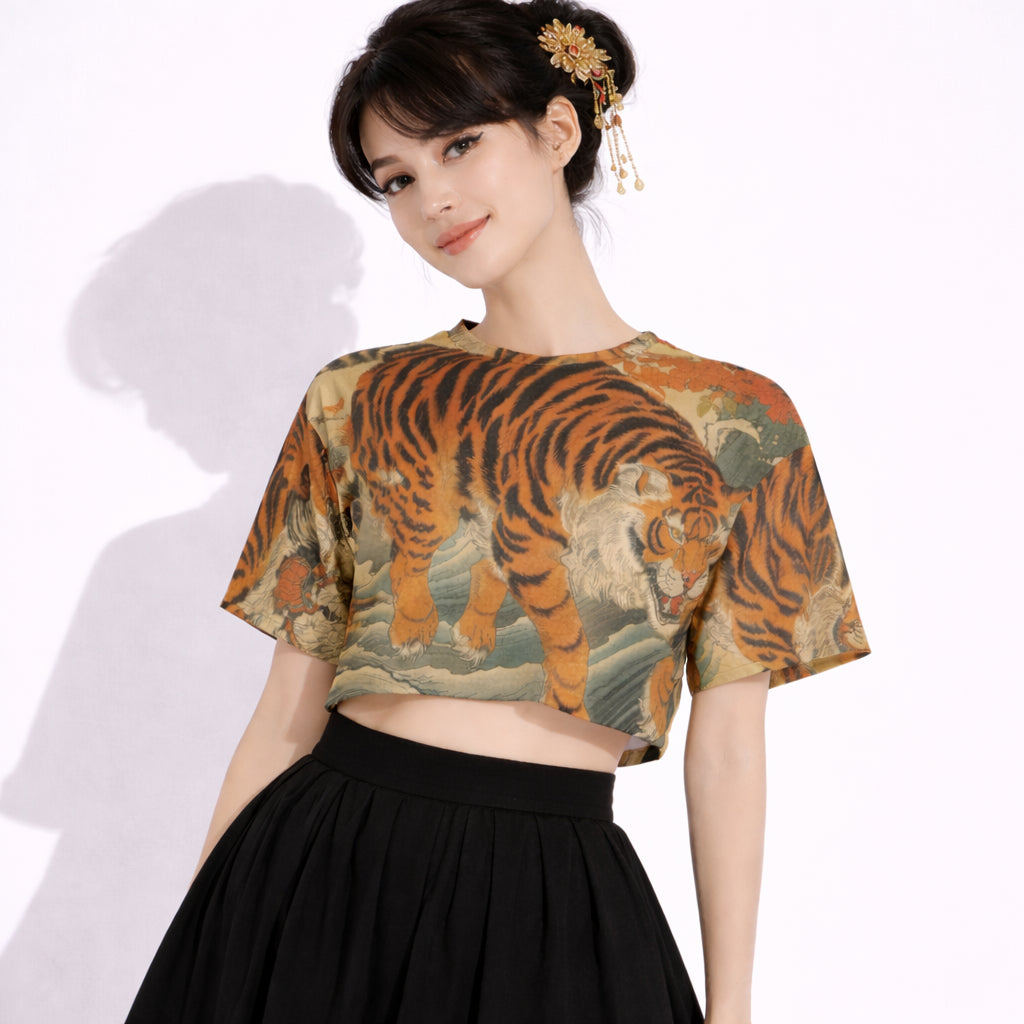
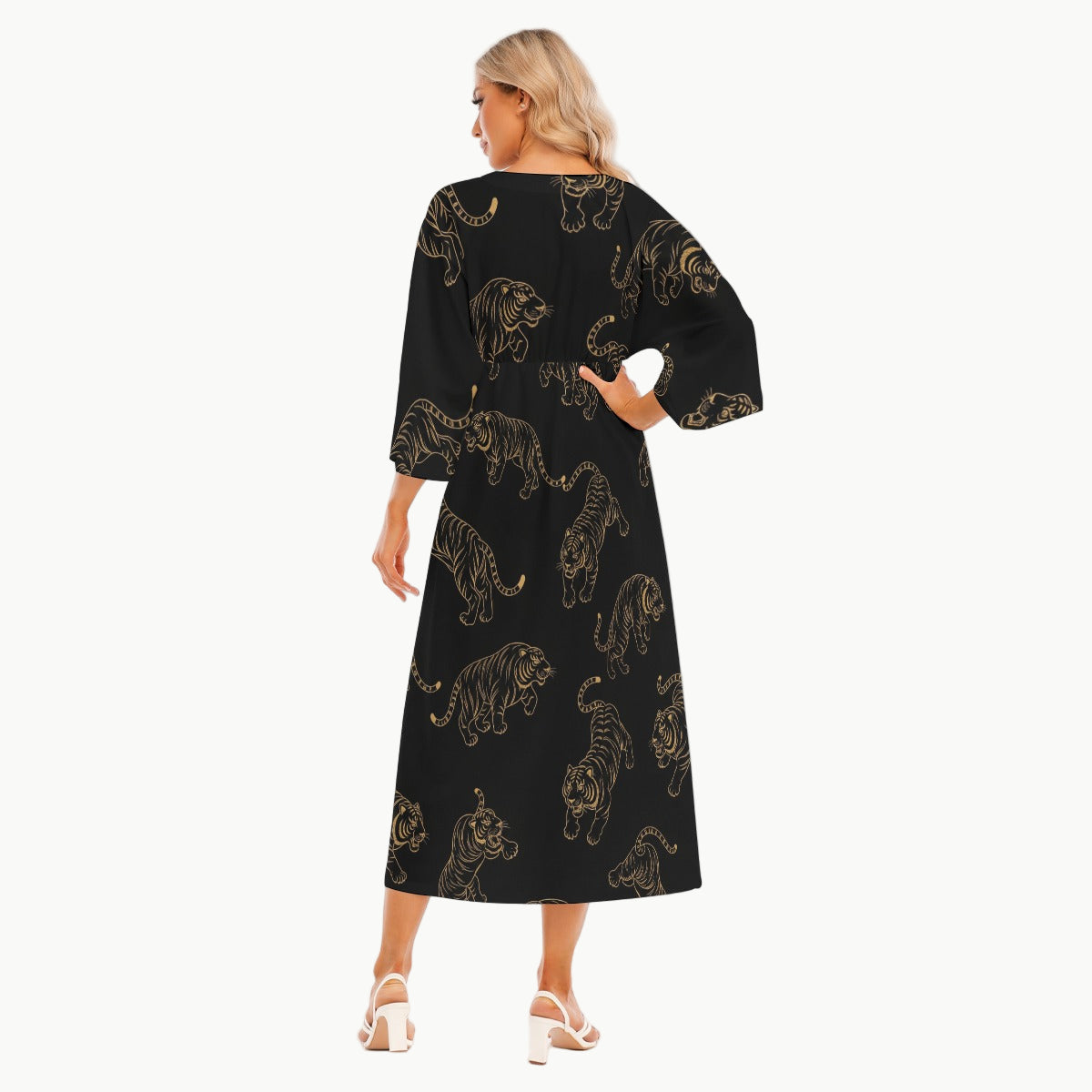
Tora - the tiger
Tigers were not native to Japan. Many Japanese painters drew on stories, imported paintings and tiger skins. The tiger became a symbol of courage and a protector against evil and illness. In art it often appears in a bamboo grove or facing a dragon.


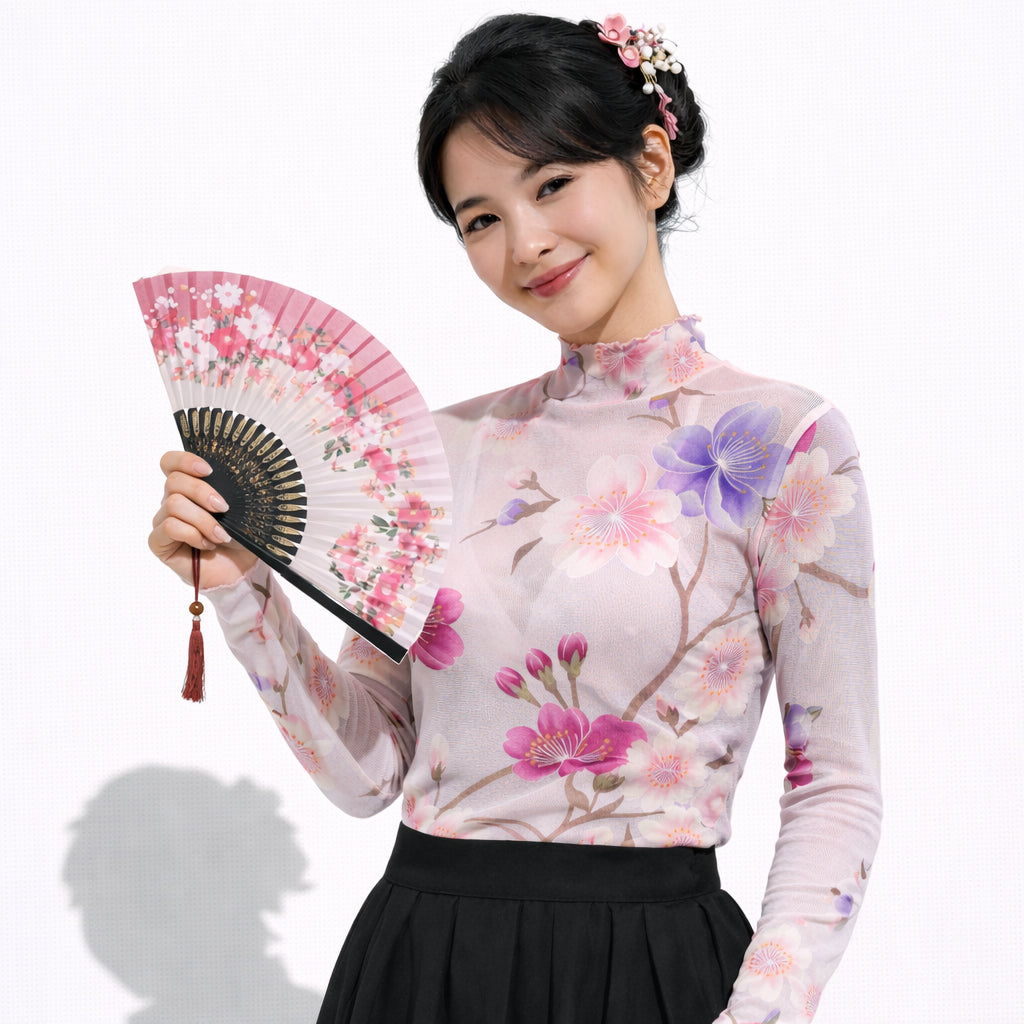
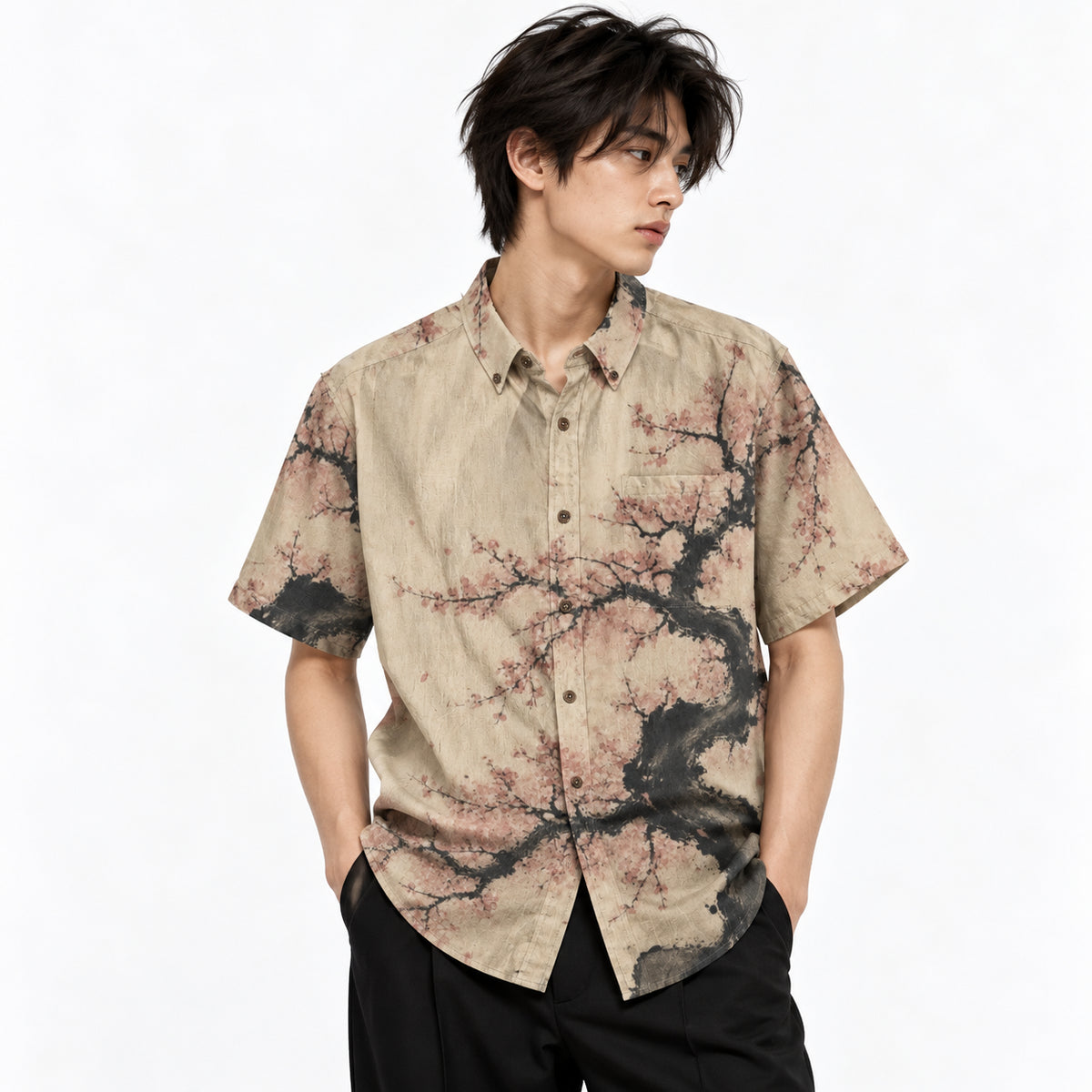
Sakura - the cherry blossom
Cherry blossoms last about a week. That is the point: sakura stand for the beauty of things that do not last, and for new beginnings in spring - in Japan the school year and many companies’ financial years begin in April.


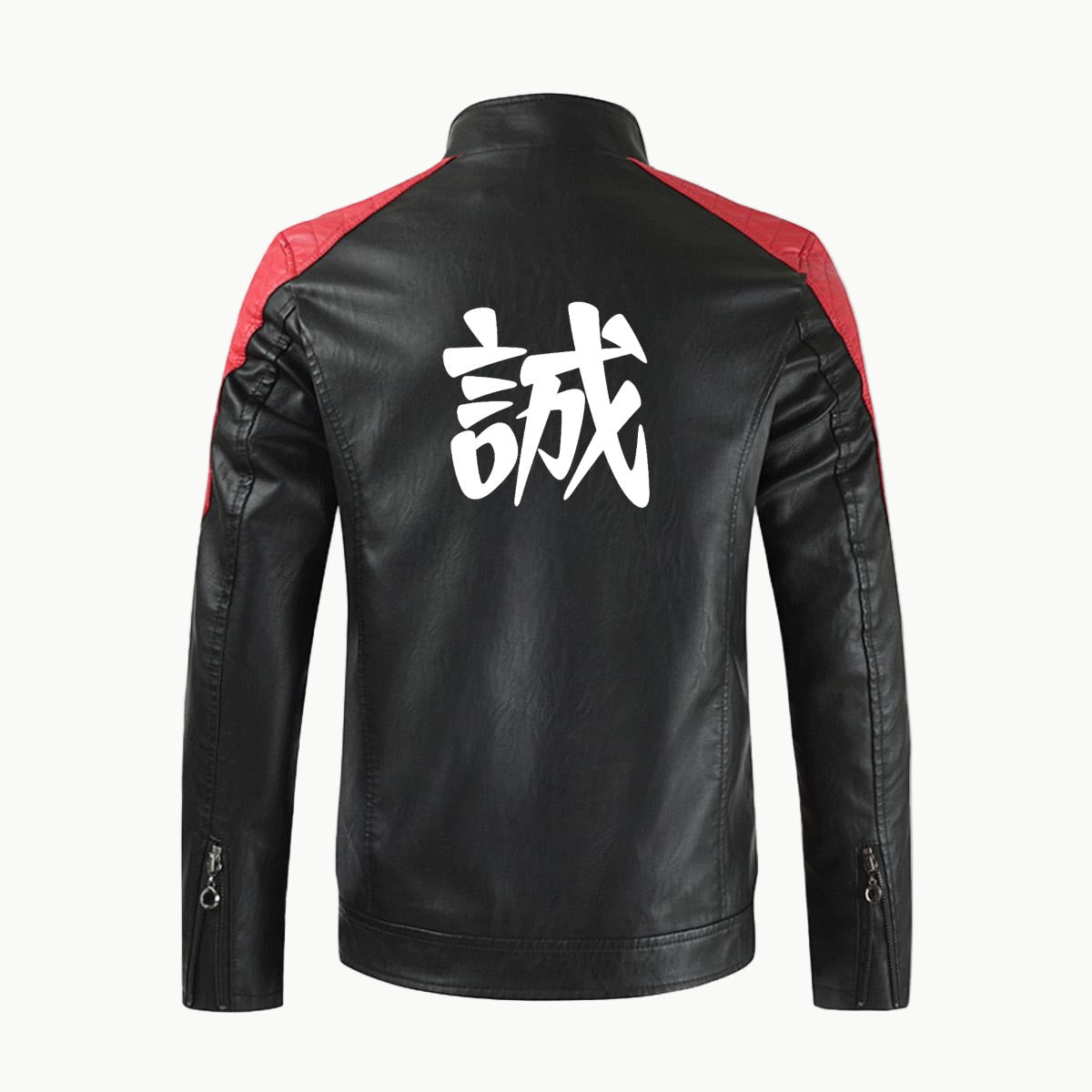
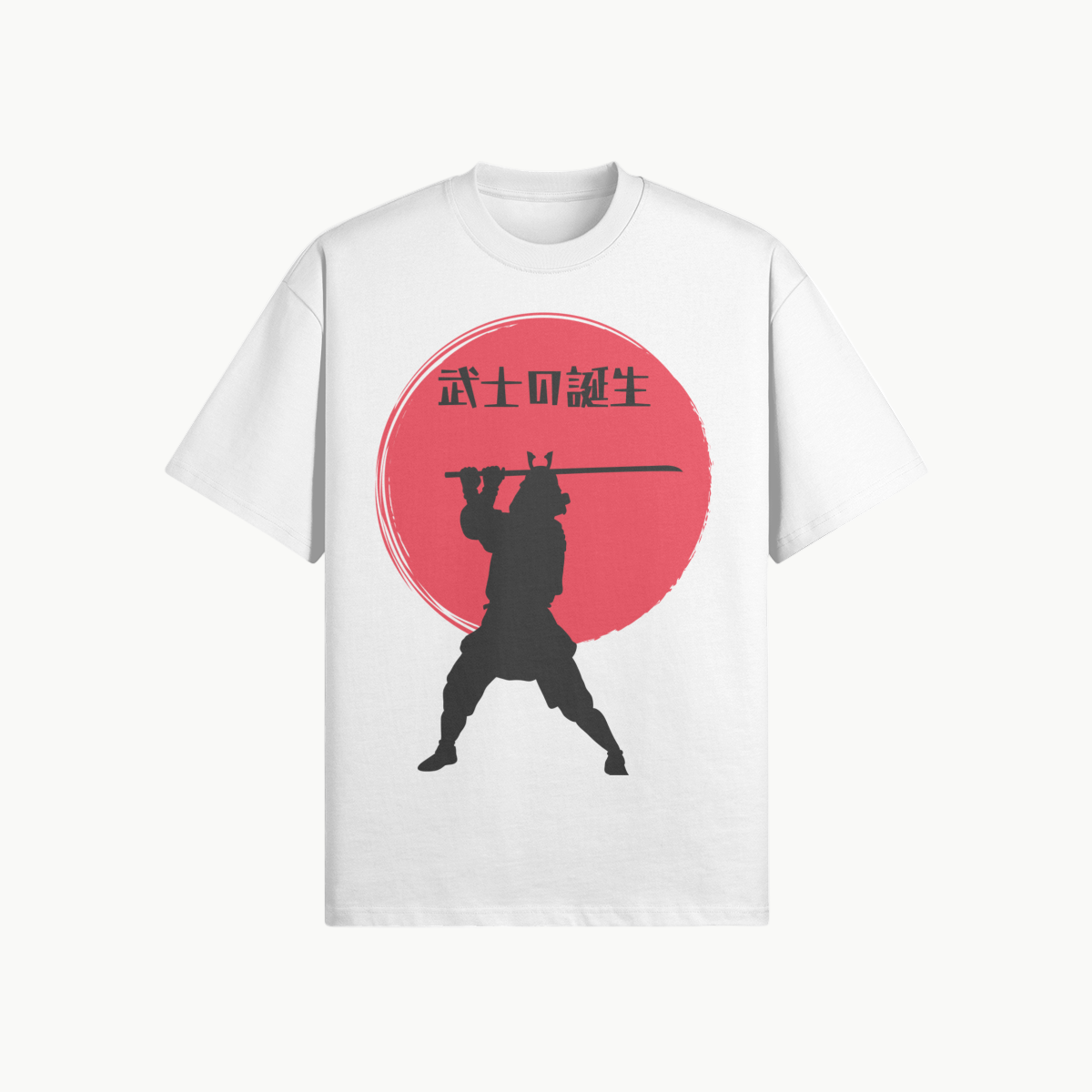
Samurai - the warrior
For some 700 years the samurai were Japan’s warrior class. Their ideals changed over time; loyalty, courage and self-control later came to be associated with bushidō. A rōnin was a samurai without a master.


Quiz
Which Japanese symbol are you?
Four quick questions. Your answer is one of eight Japanese symbols, with its meaning and the designs that carry it.
4 questions, under a minute
Your symbol
Tsuru - the crane
In Japan the crane is said to live a thousand years, and cranes often form lasting pairs. That is why they stand for long life, luck and loyalty - and why folding a thousand paper cranes is said to make a wish come true.


Your symbol
Nami - the wave
Japan is a country of islands, so the sea is everywhere in its art. Hokusai’s Great Wave off Kanagawa, designed around 1831, is one of the best-known images of the sea’s power. The repeating seigaiha pattern is a wish for peace and good fortune.


Your symbol
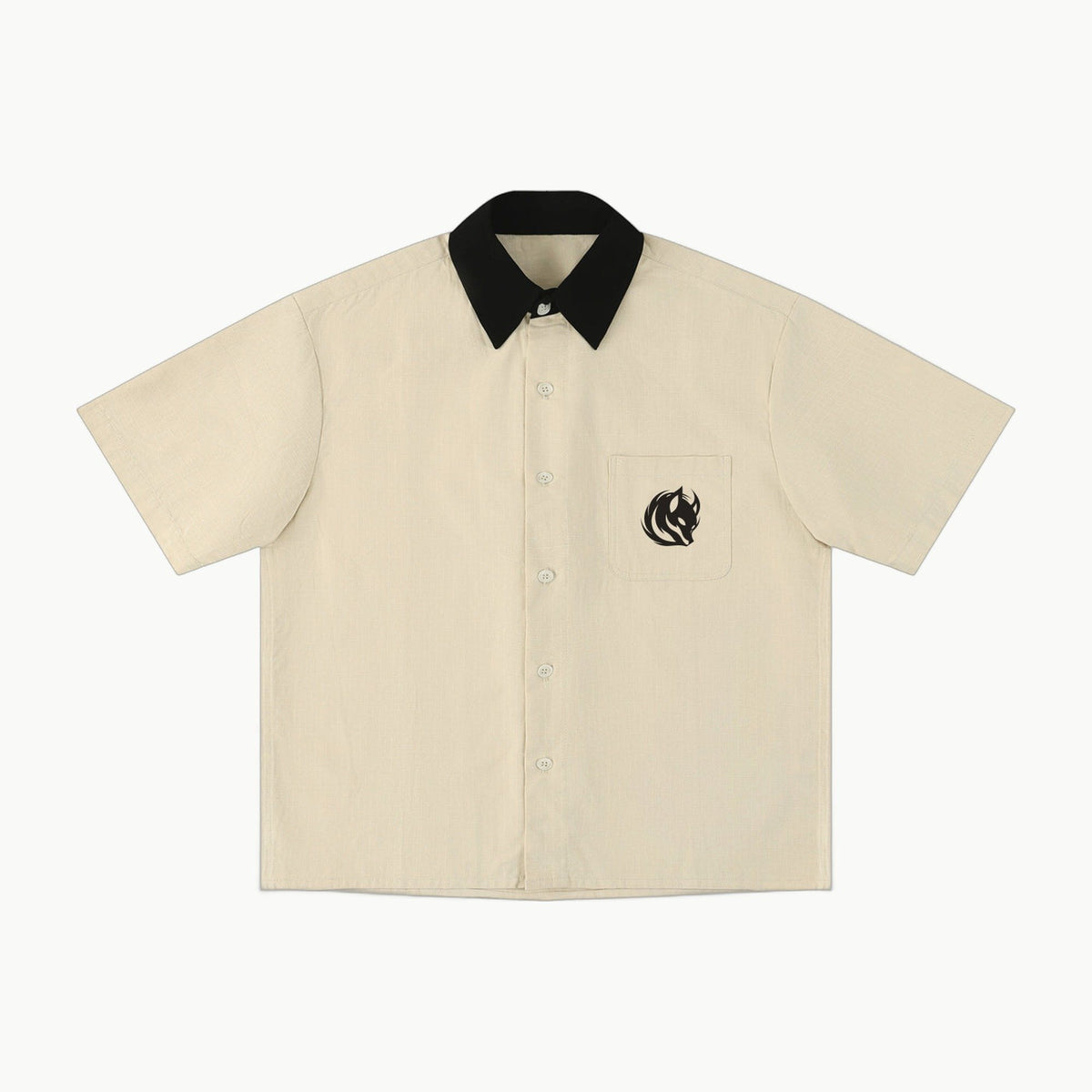
Kitsune - the fox spirit
Foxes are messengers of Inari, the deity of rice and prosperity. Stone foxes stand at many Inari shrines. In some tales, a kitsune can change shape and may have up to nine tails.


Your symbol
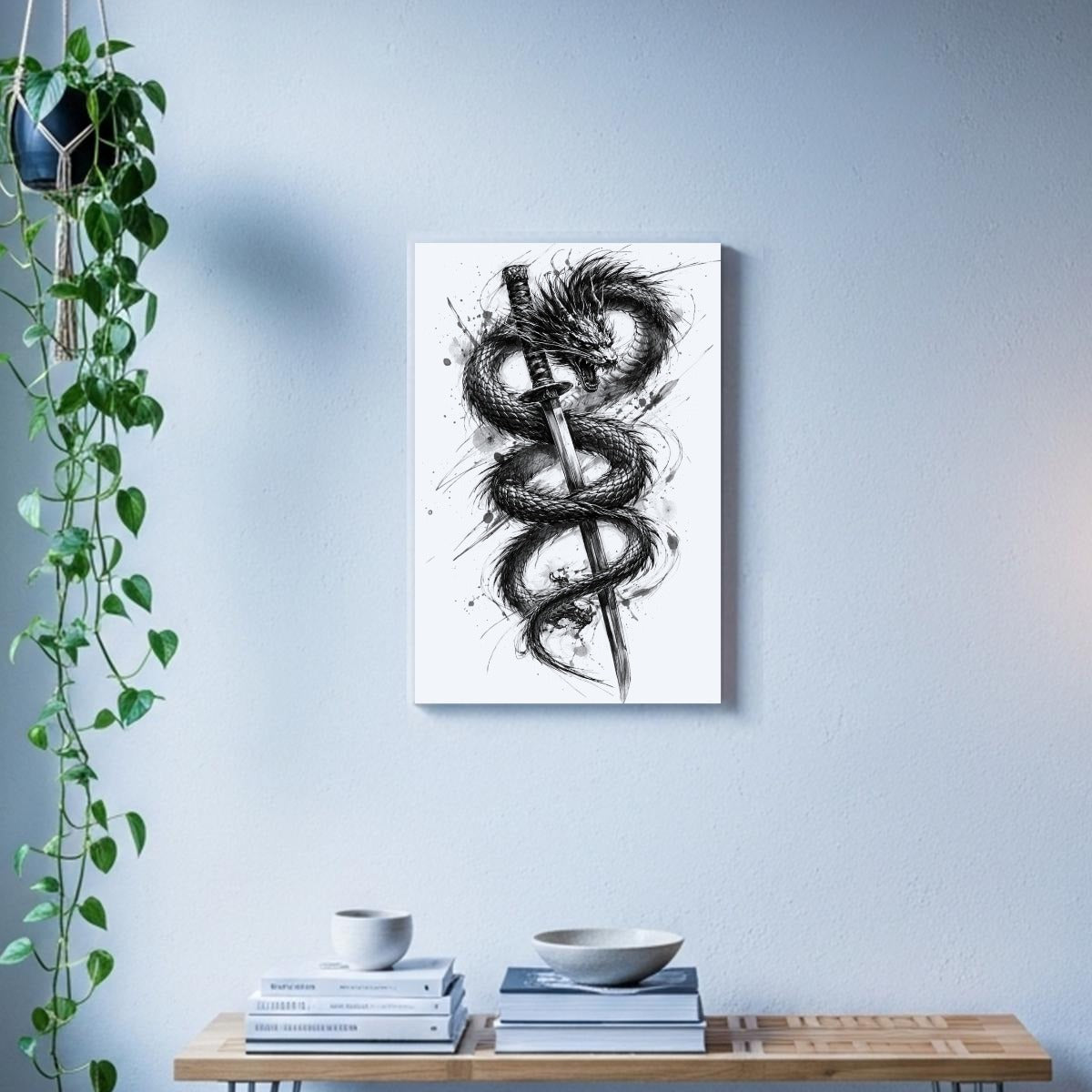
Ryū - the dragon
The Japanese dragon is often associated with water and rain. It is said to live in rivers, seas and clouds and to guard temples. Wingless and often drawn with three claws, it stands for strength used wisely and for good fortune.



Your symbol
Koi - the carp
A koi swims against the current. Legend says the one that climbs the waterfall becomes a dragon, so the koi stands for perseverance and success. On Children's Day, carp streamers fly over Japanese homes.


Your symbol
Tora - the tiger
Tigers were not native to Japan. Many Japanese painters drew on stories, imported paintings and tiger skins. The tiger became a symbol of courage and a protector against evil and illness. In art it often appears in a bamboo grove or facing a dragon.


Your symbol
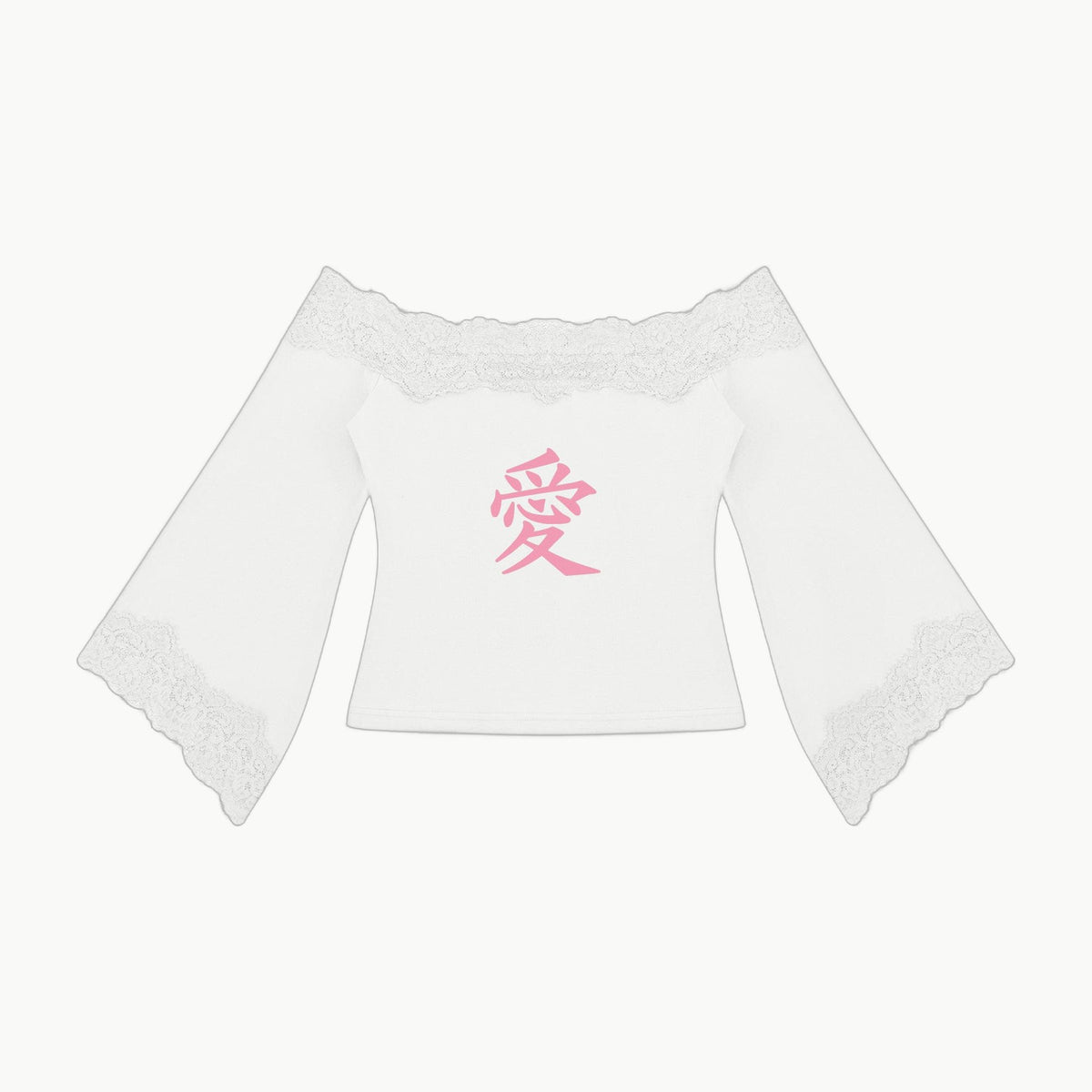
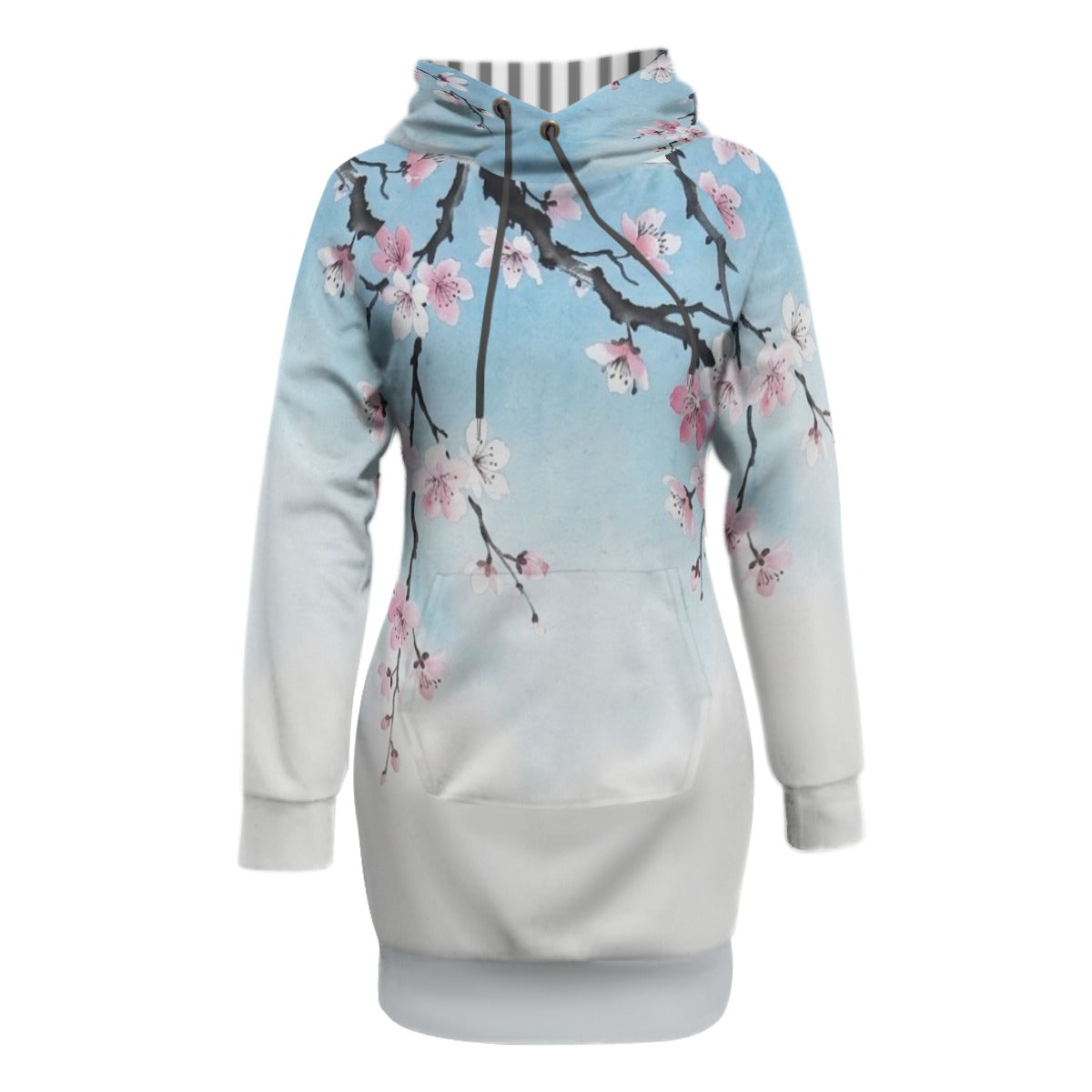
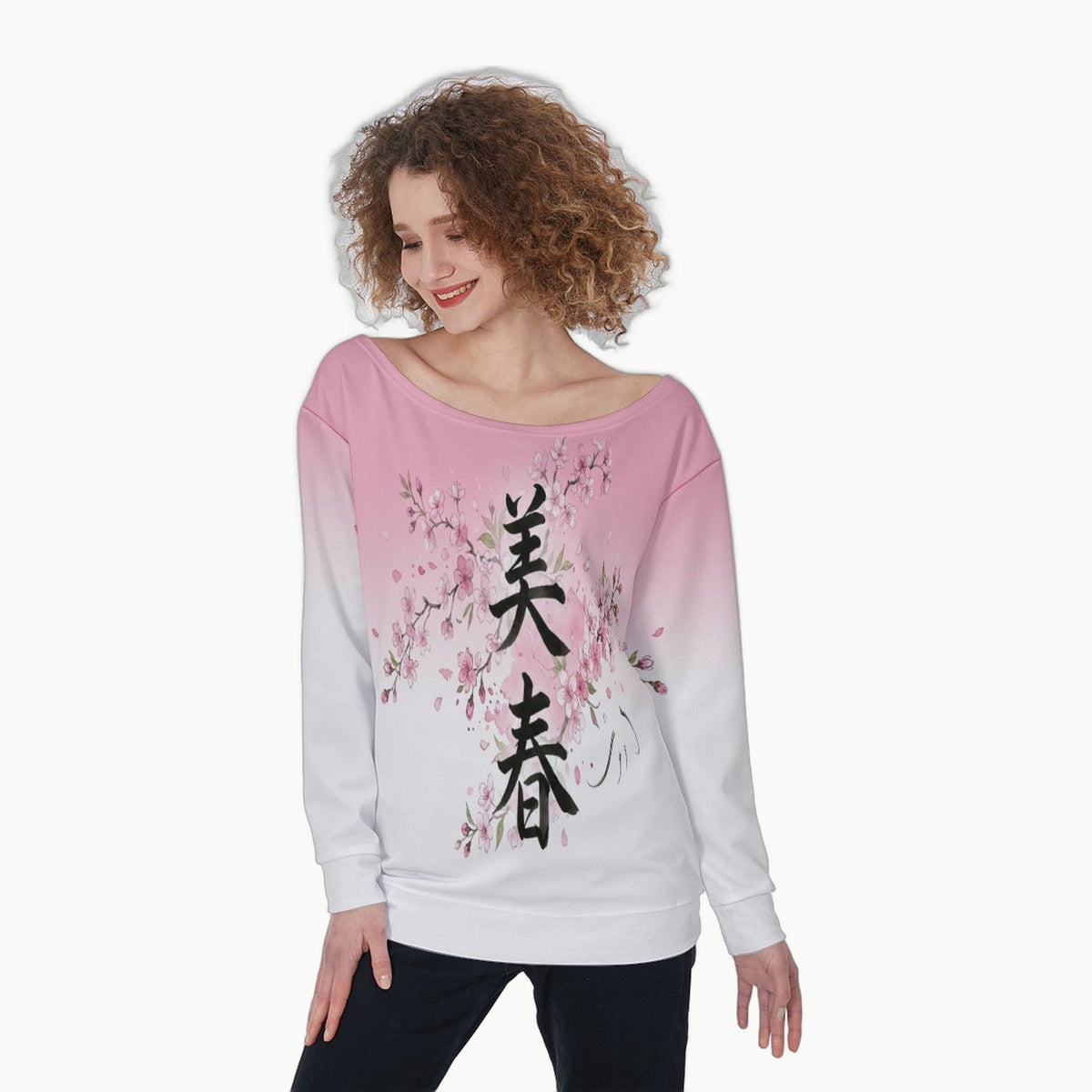
Sakura - the cherry blossom
Cherry blossoms last about a week. That is the point: sakura stand for the beauty of things that do not last, and for new beginnings in spring - in Japan the school year and many companies’ financial years begin in April.

Your symbol
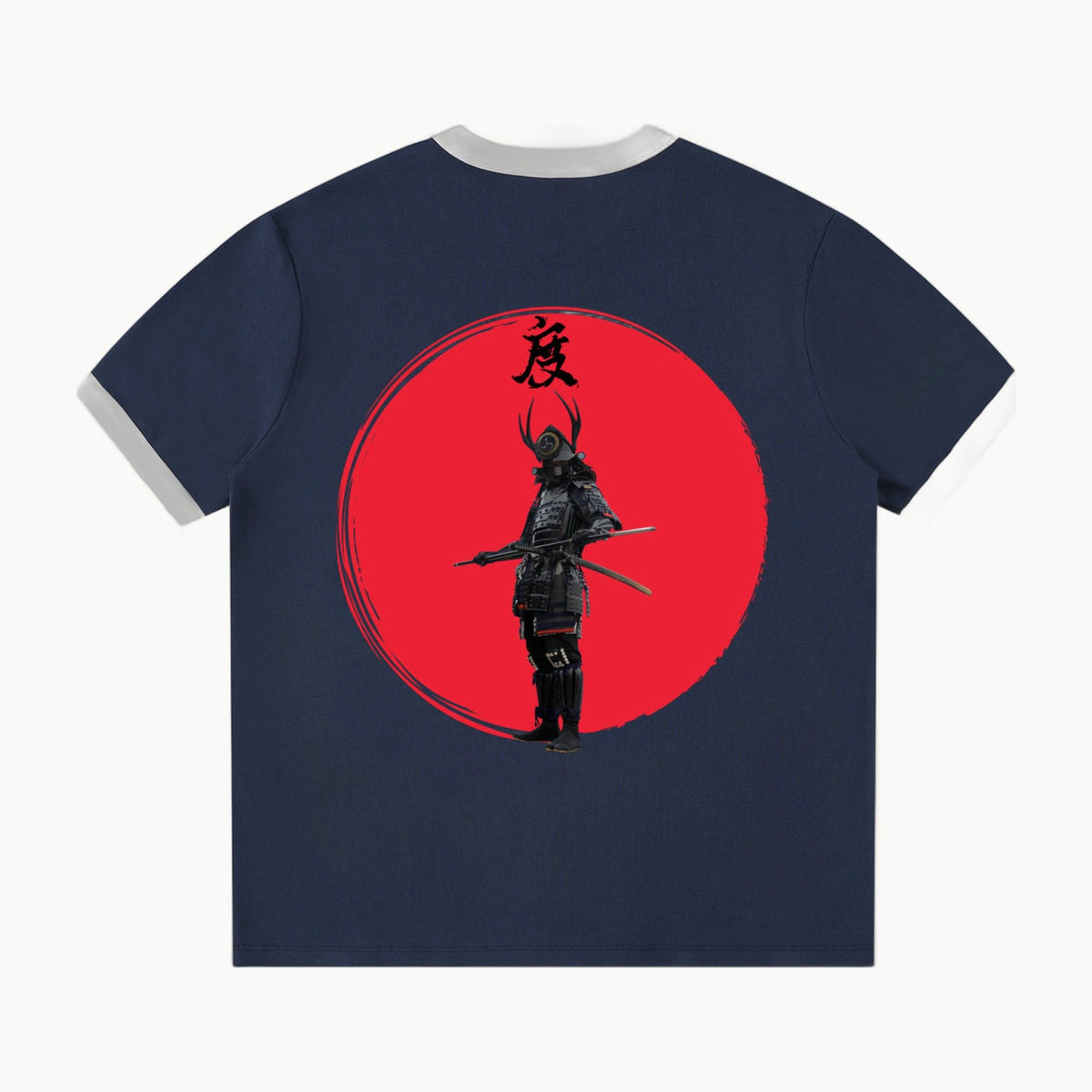
Samurai - the warrior
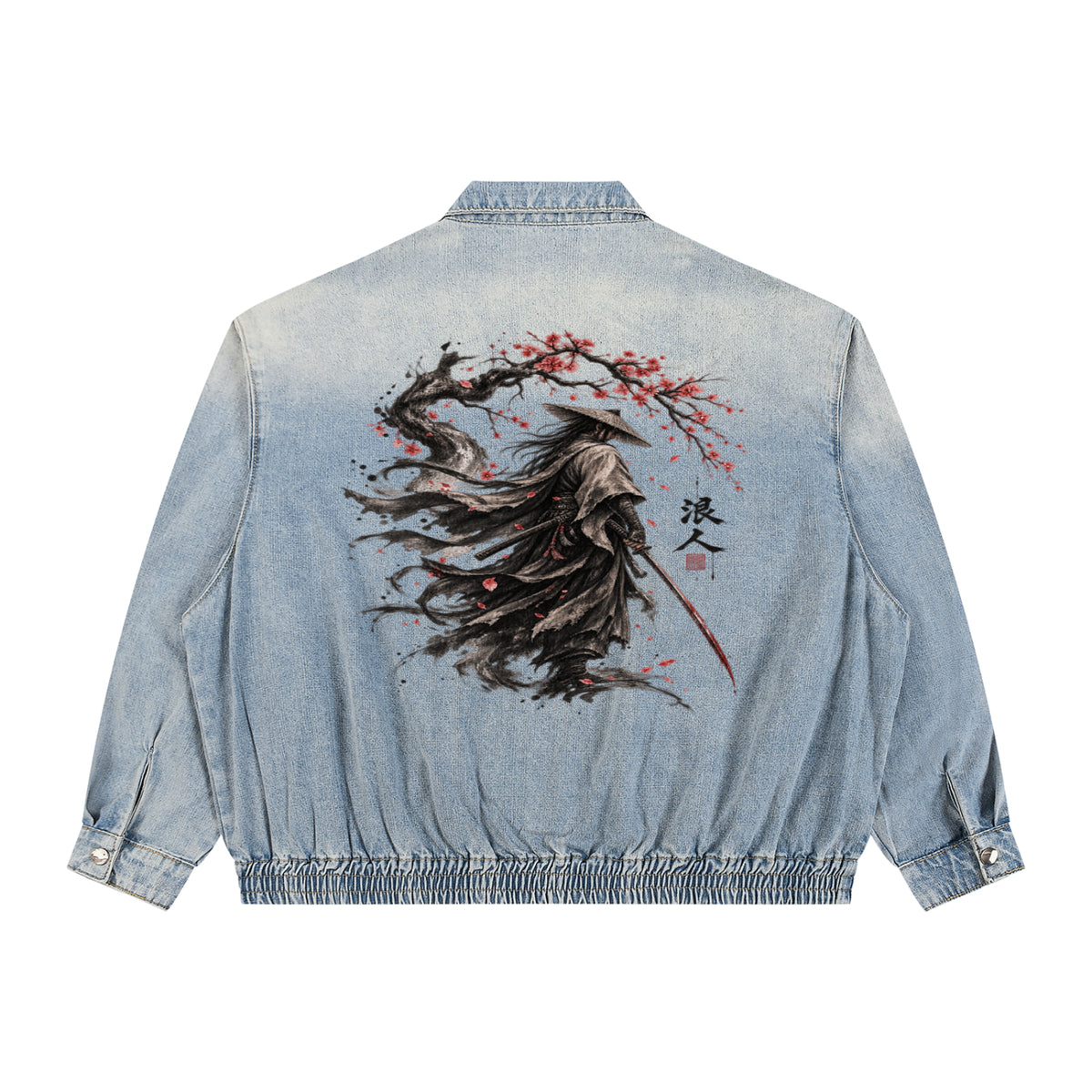
For some 700 years the samurai were Japan’s warrior class. Their ideals changed over time; loyalty, courage and self-control later came to be associated with bushidō. A rōnin was a samurai without a master.


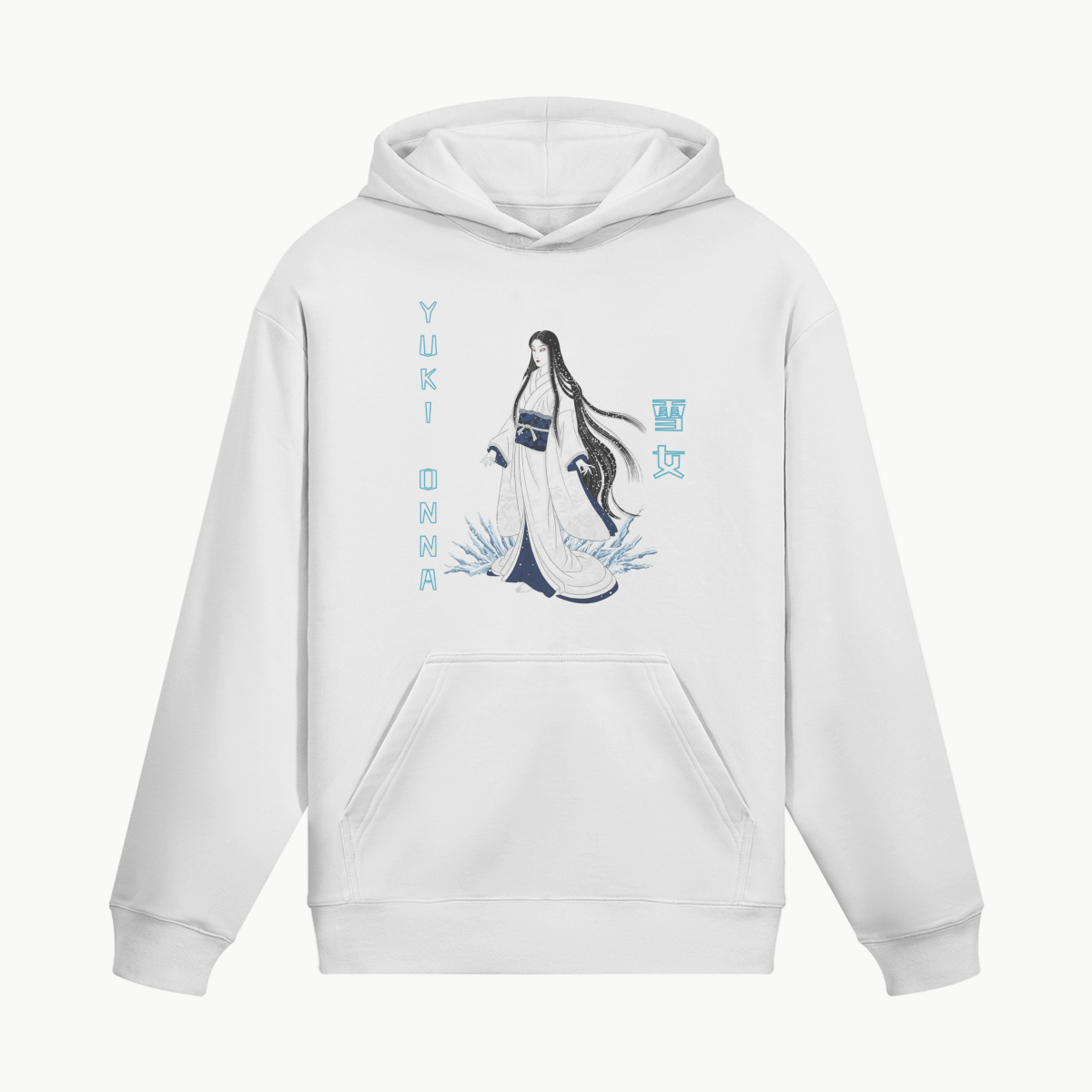
22.11 - 06.12 · next: 大雪 Taisetsu, heavy snow
The old Japanese calendar splits the year into 24 short seasons. The first light snow reaches the mountains and the ginkgo trees turn gold. Time for warm layers.

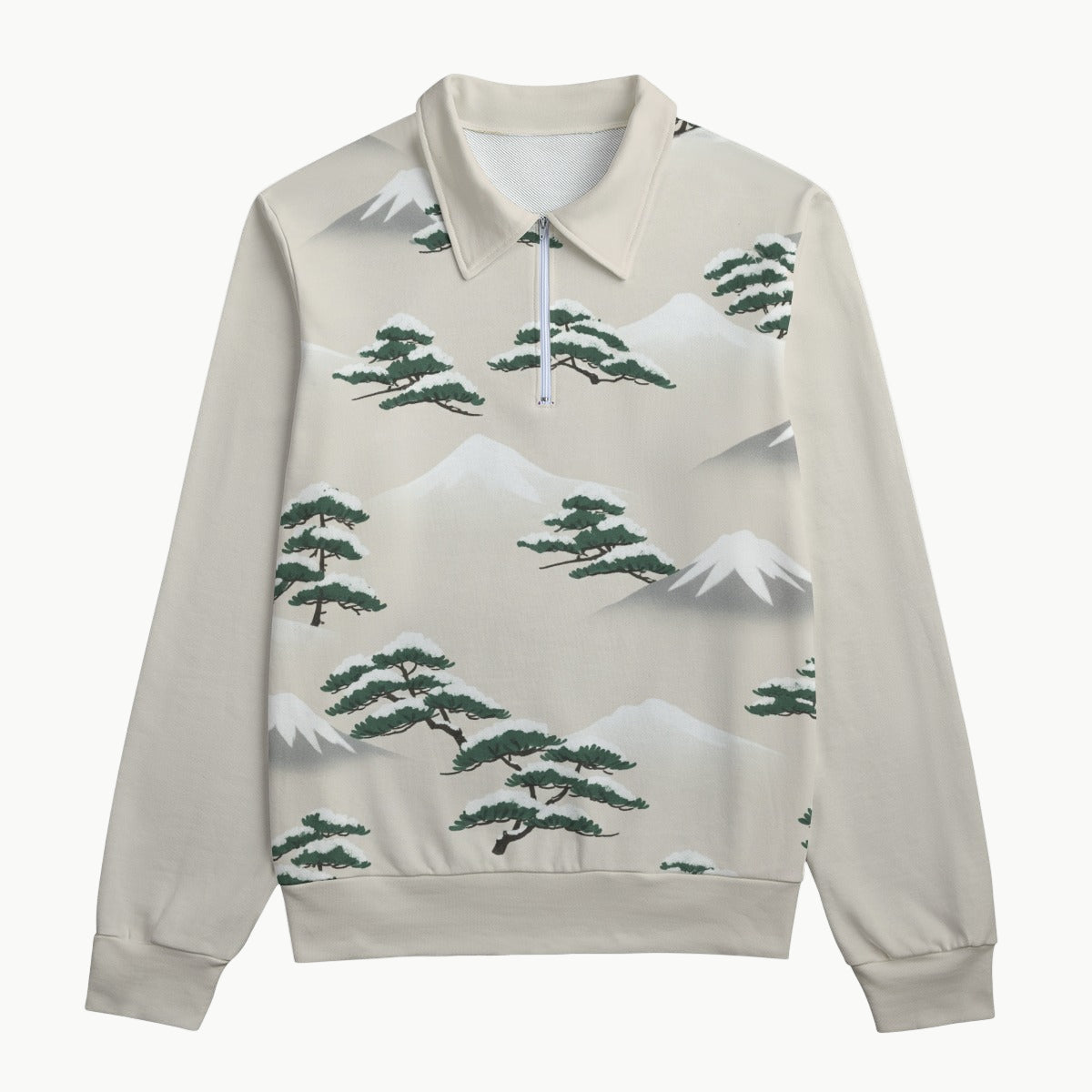

Shop the look
How to wear it


Build a set
Two pieces that belong together

Total734,00 zł

Total423,00 zł

Total514,00 zł

Total571,00 zł


Total514,00 zł
Something went wrong. Please try again or add the pieces one by one.
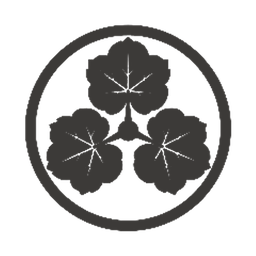
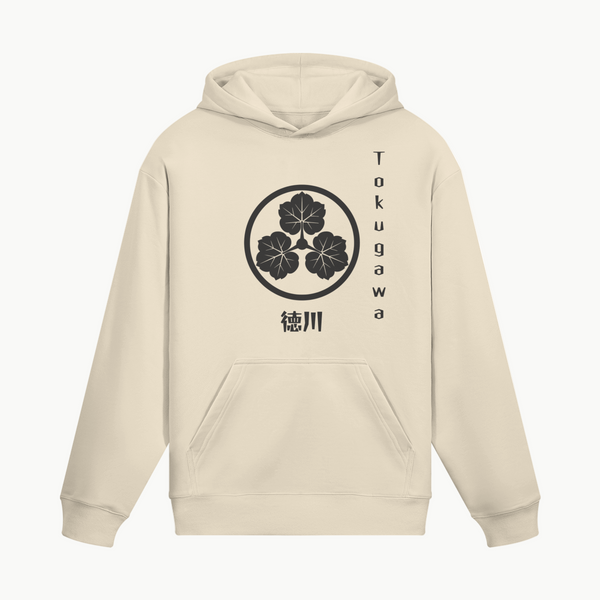
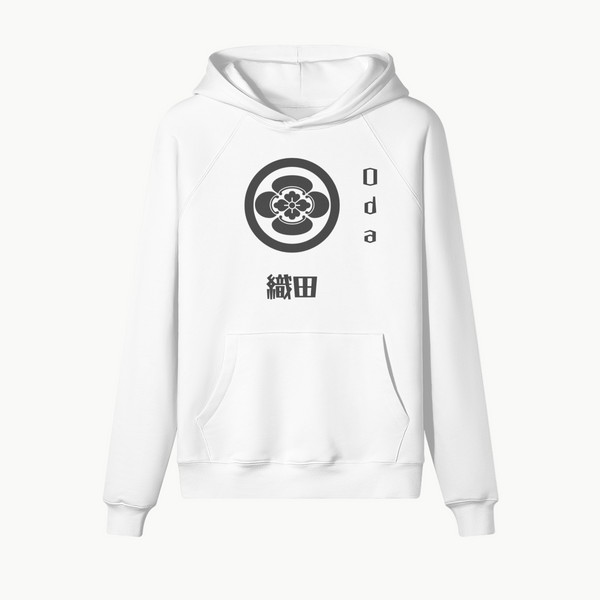
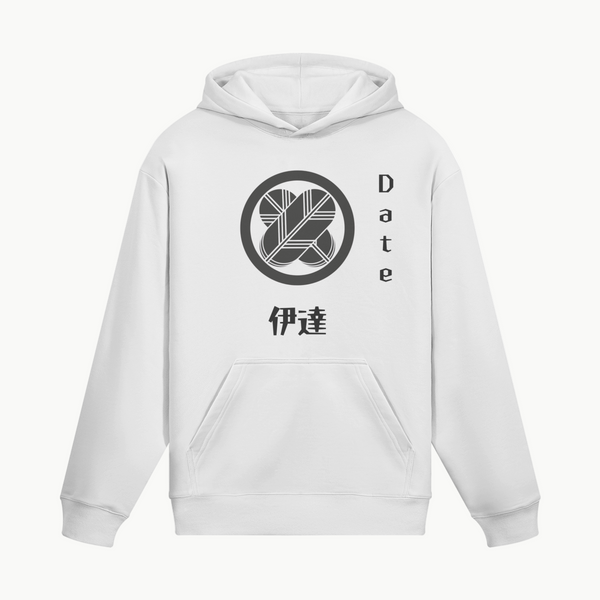
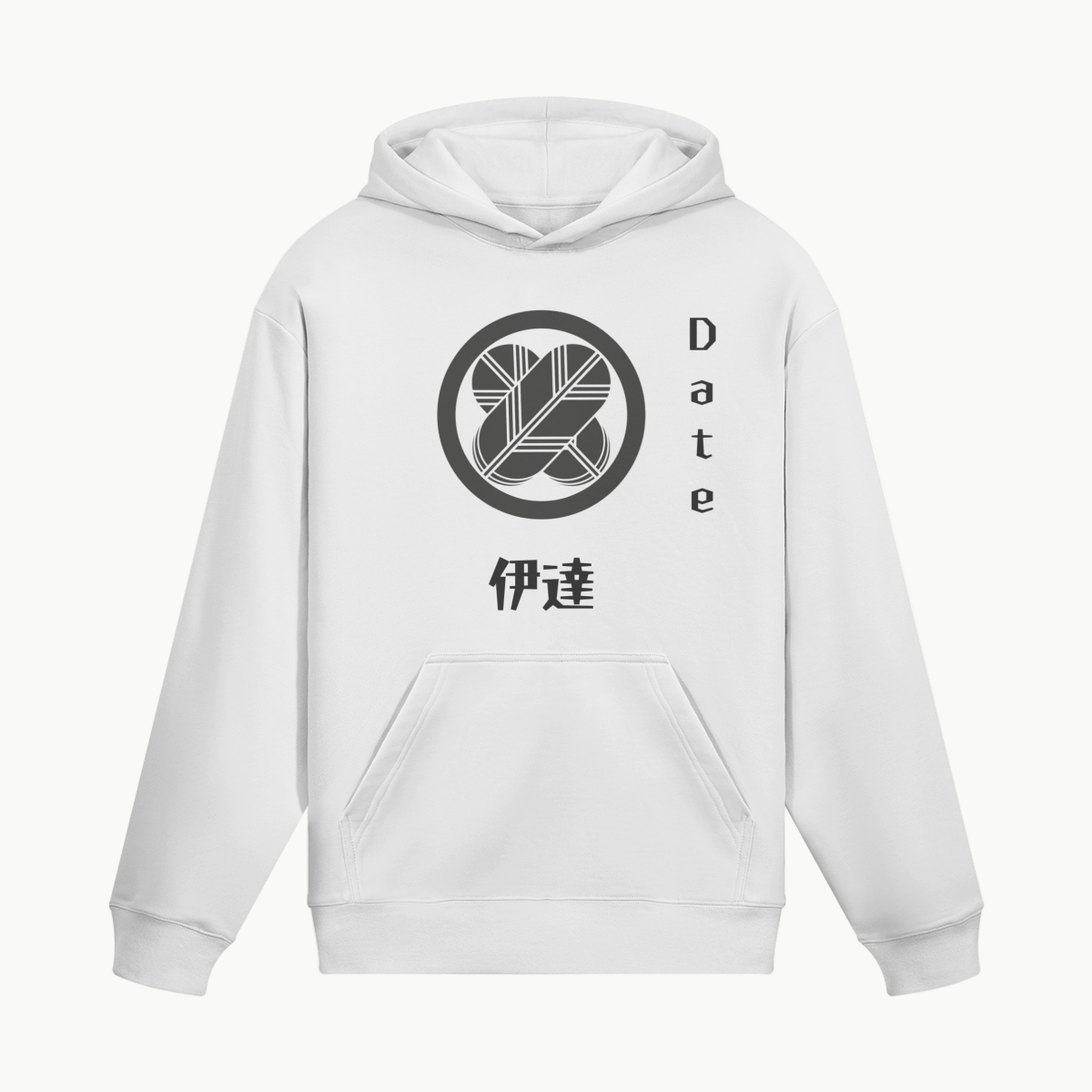
Kamon are the family crests of Japan. Samurai wore them on armour, banners and kimono. Pick a clan to read its story.
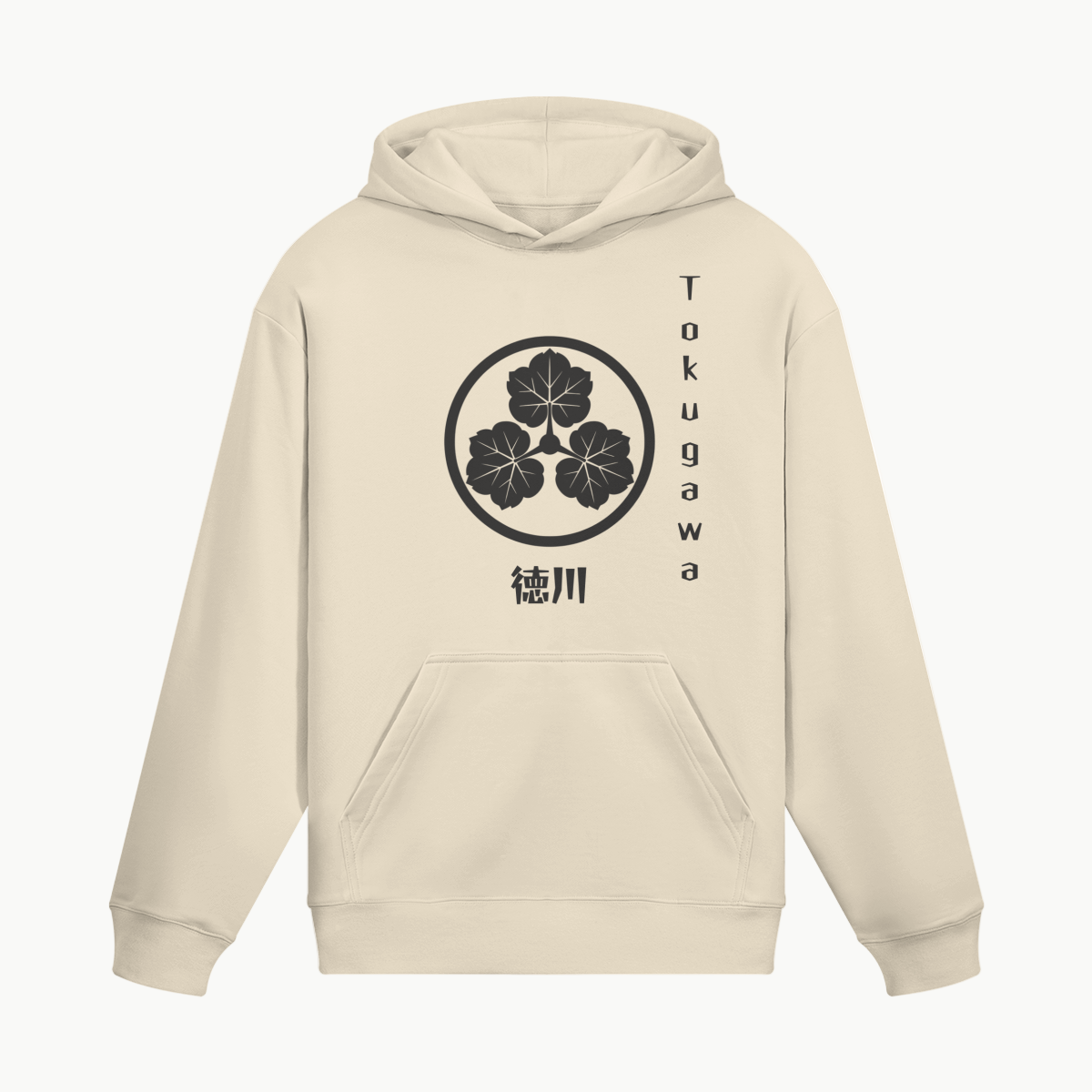
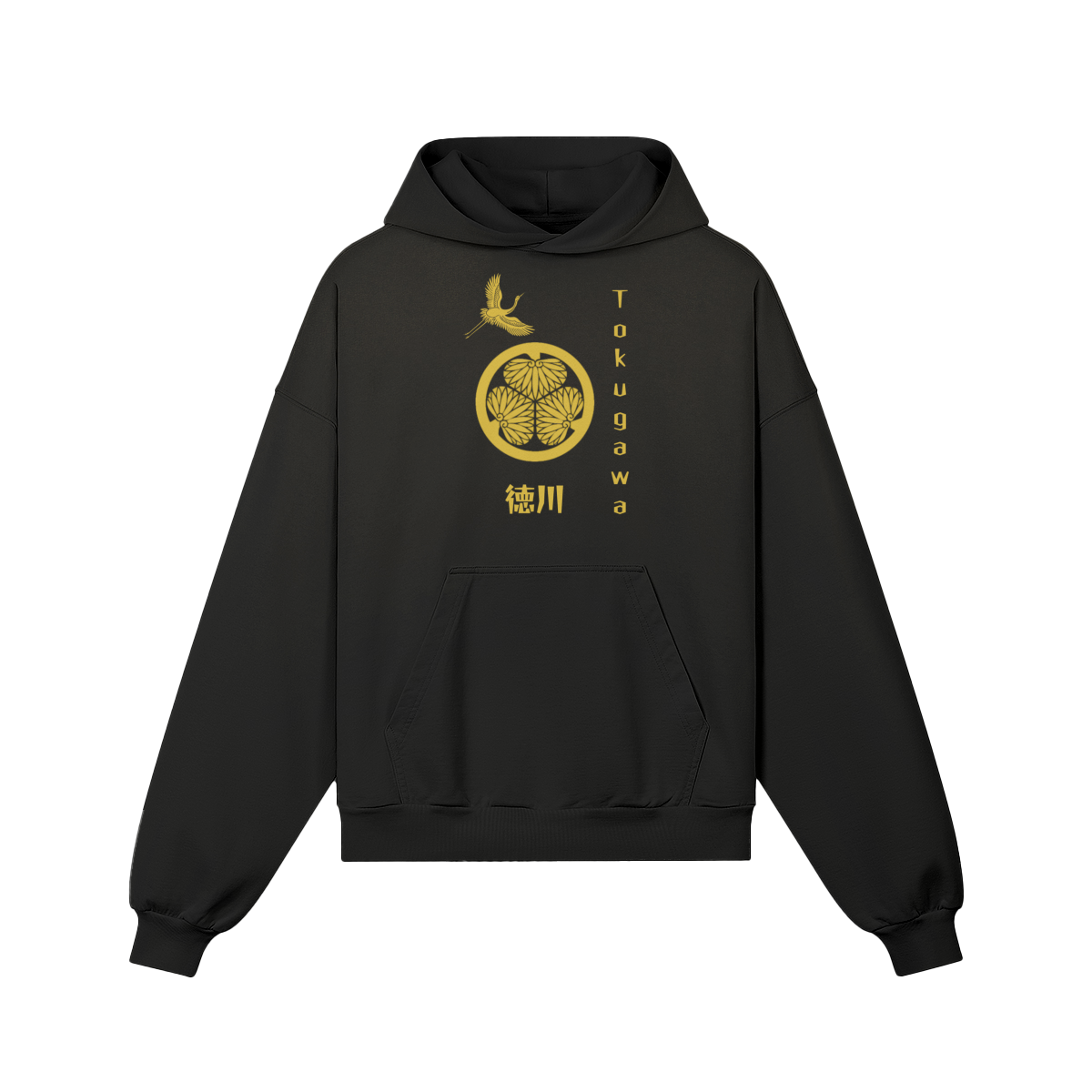
Tokugawa clan
Shoguns who ruled Japan from 1603 to 1868, a long period of relative internal peace. Their crest: three aoi (wild ginger) leaves in a circle.


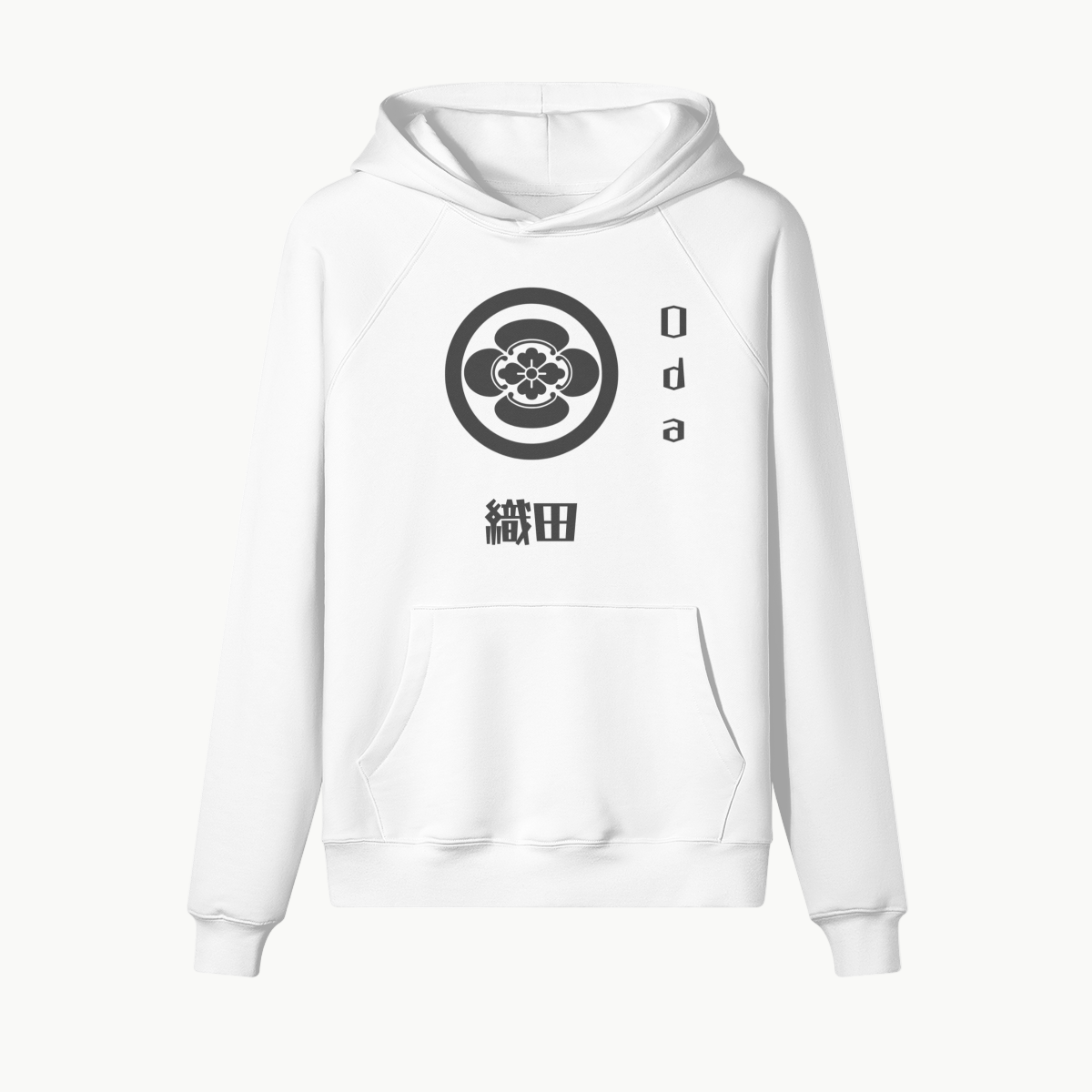
Oda clan
The clan of Oda Nobunaga, the first of the three great unifiers of Japan. Their crest: the oda mokkō, a flower-like shape with five lobes.


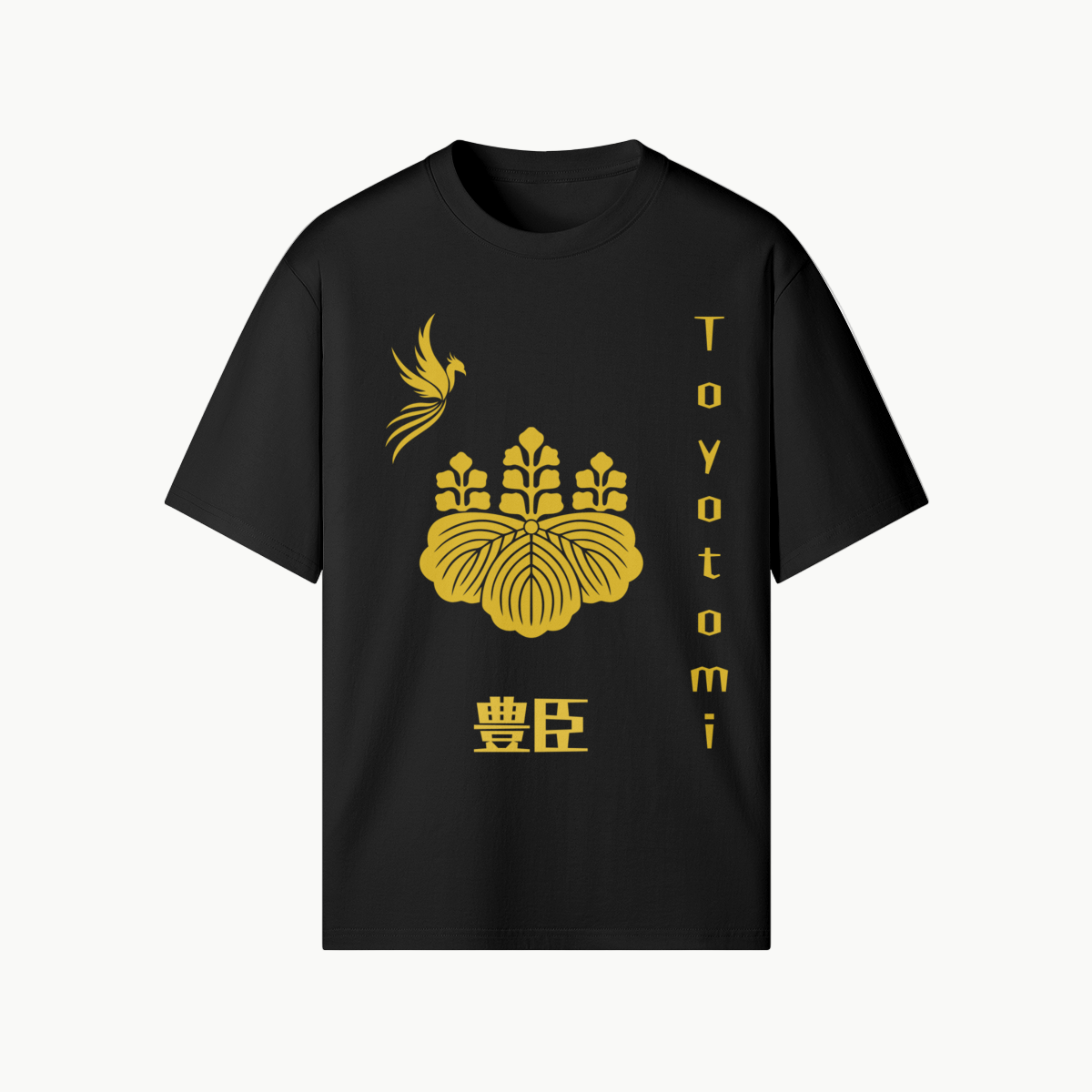
Toyotomi clan
Toyotomi Hideyoshi rose from foot soldier to ruler of all Japan. His crest: the paulownia (kiri), still used by the Japanese government today.

Date clan
The lords of Sendai, led by the one-eyed dragon Date Masamune - one of the most famous commanders of the samurai age.


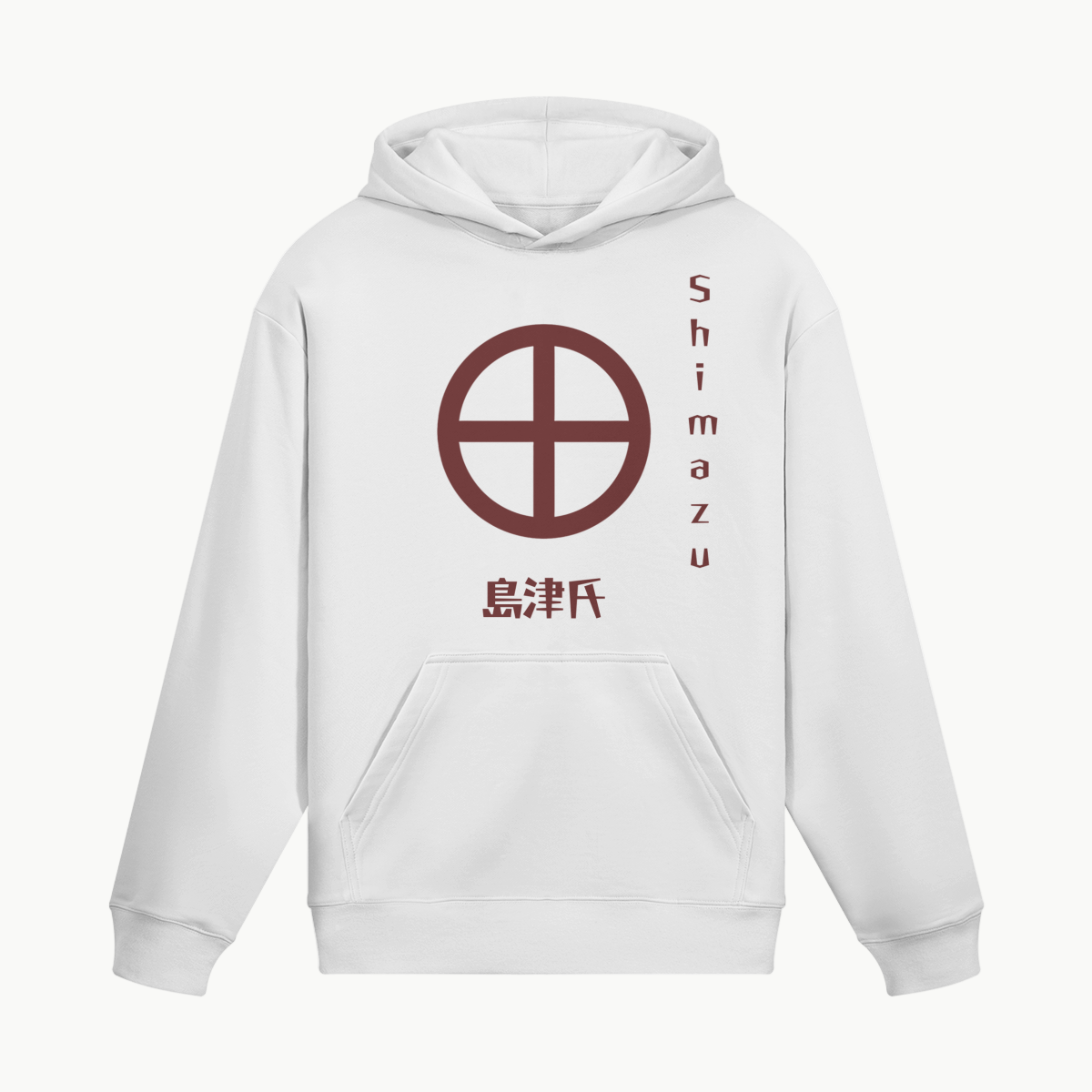
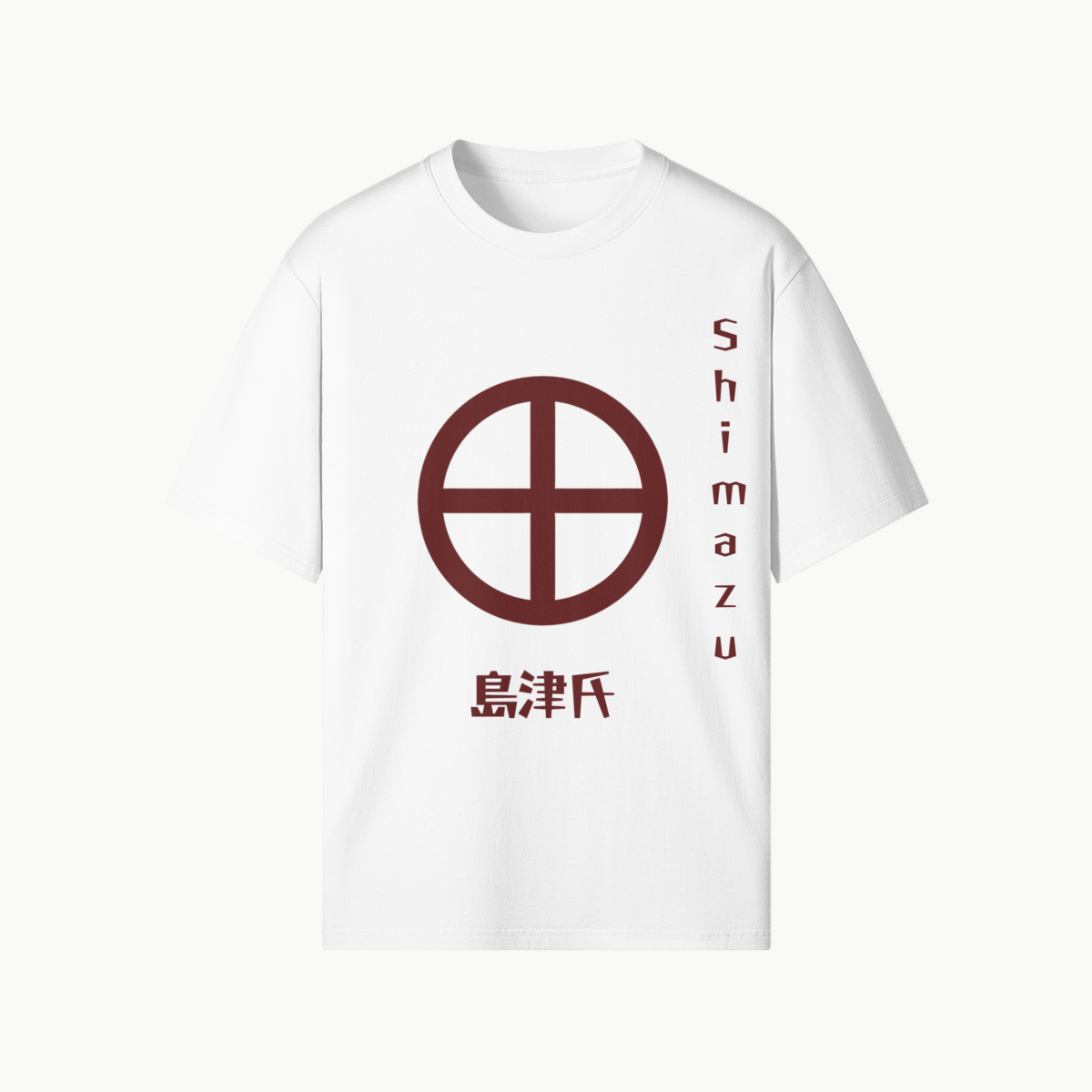
Shimazu clan
Rulers of Satsuma in the far south for some 700 years. Their crest: a cross inside a circle (maru ni jūji).

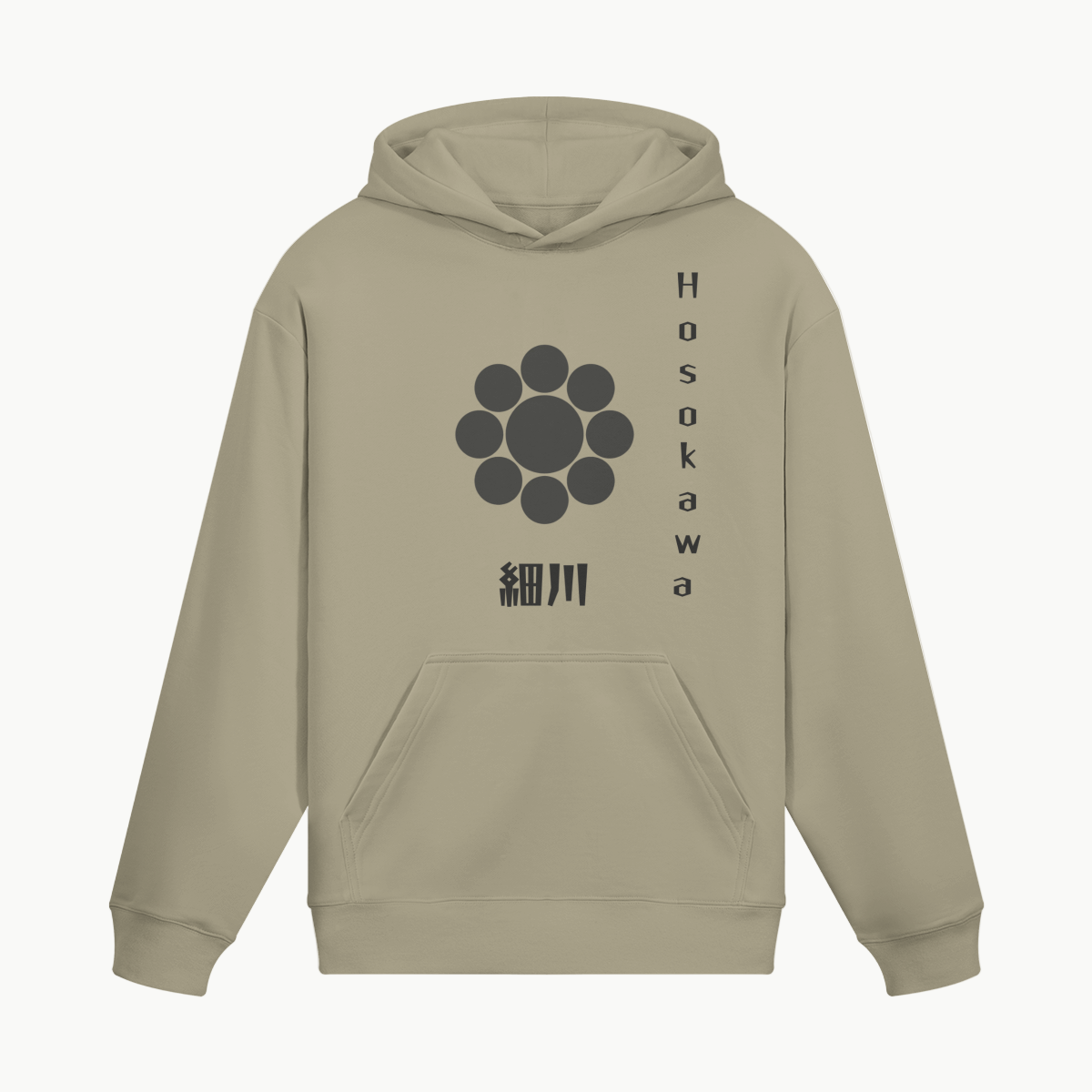
Hosokawa clan
A family of generals, poets and tea masters who ruled Kumamoto. Their crest: nine stars - one large circle with eight around it (kuyō).
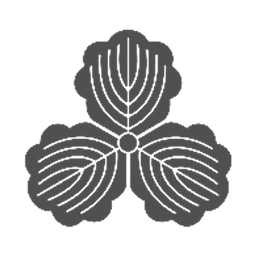
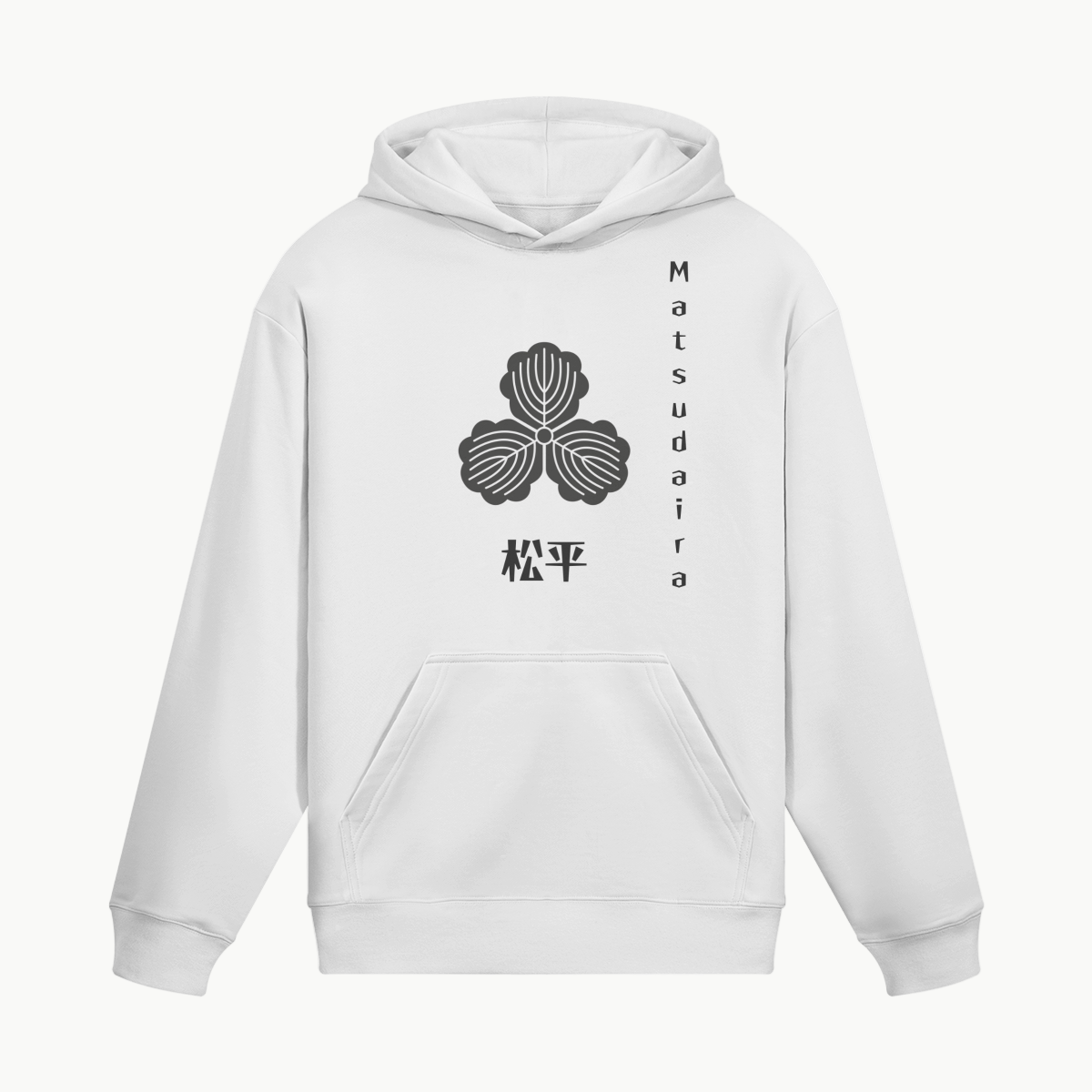
Matsudaira clan
Tokugawa Ieyasu came from the Matsudaira family. Several branches of the family ruled domains in Japan. Their crests could feature aoi (Asarum) leaves, a motif also used by the Tokugawa shoguns.

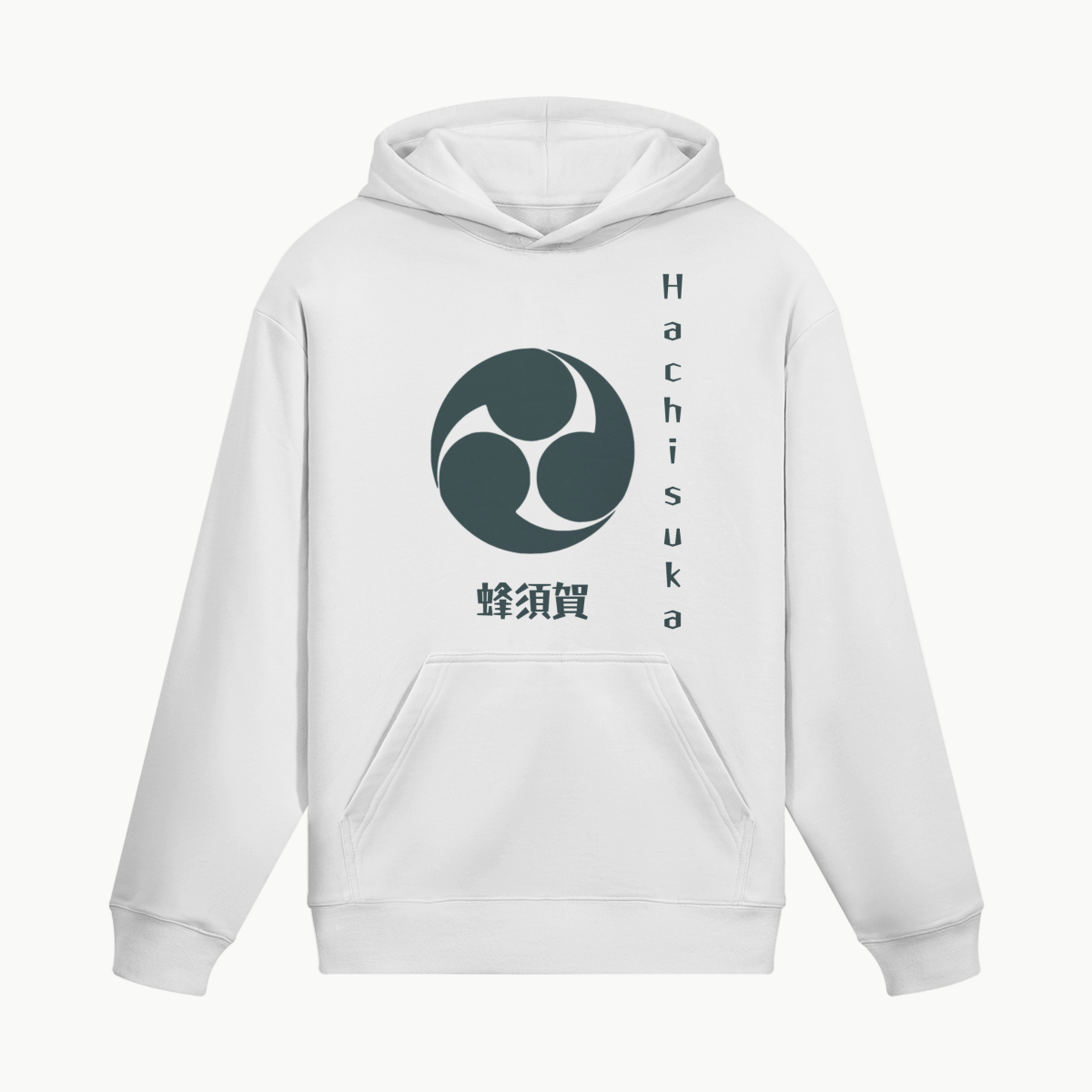
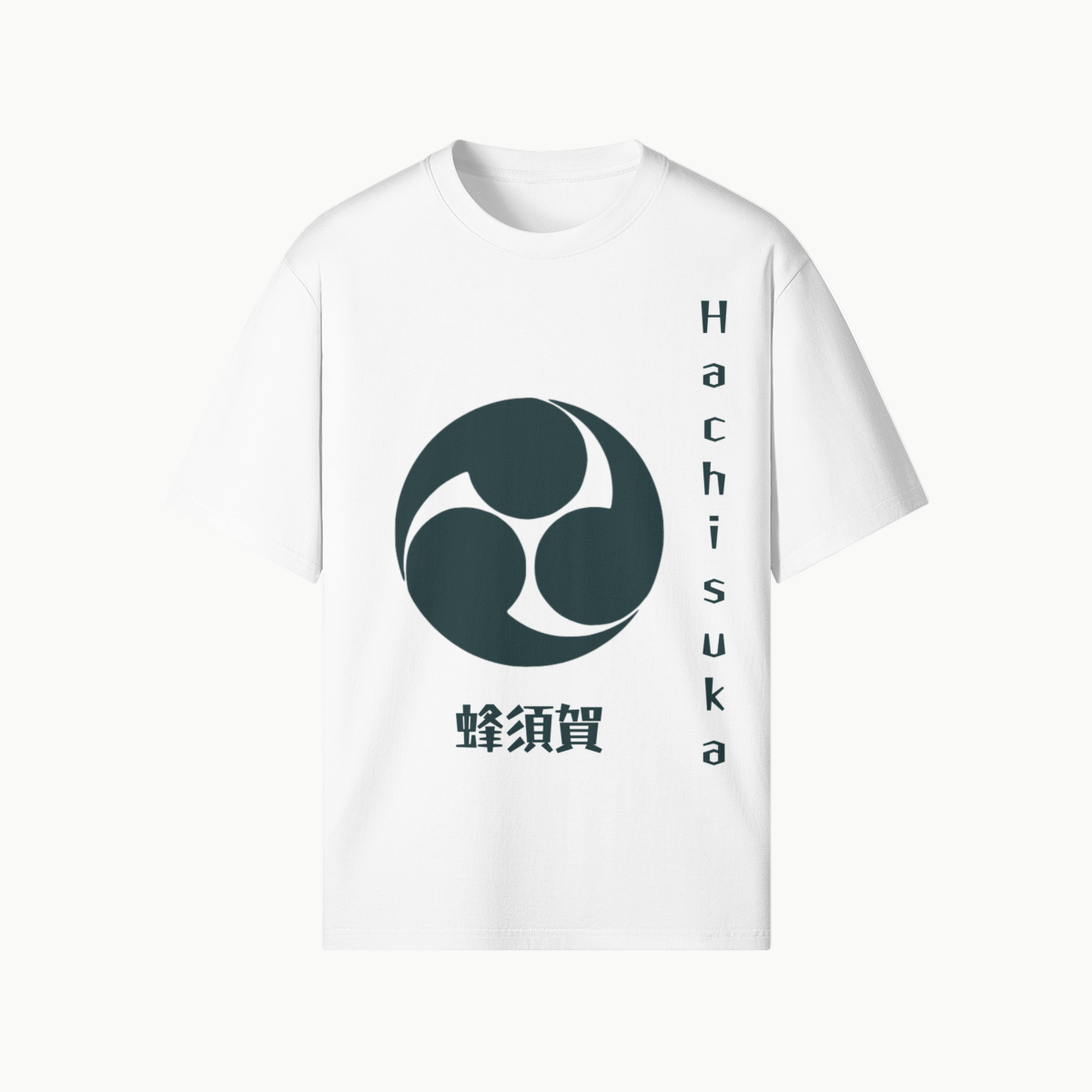
Hachisuka clan
Lords of Awa on Shikoku, descended from a chieftain who served Hideyoshi. Their land is the home of the Awa Odori dance.

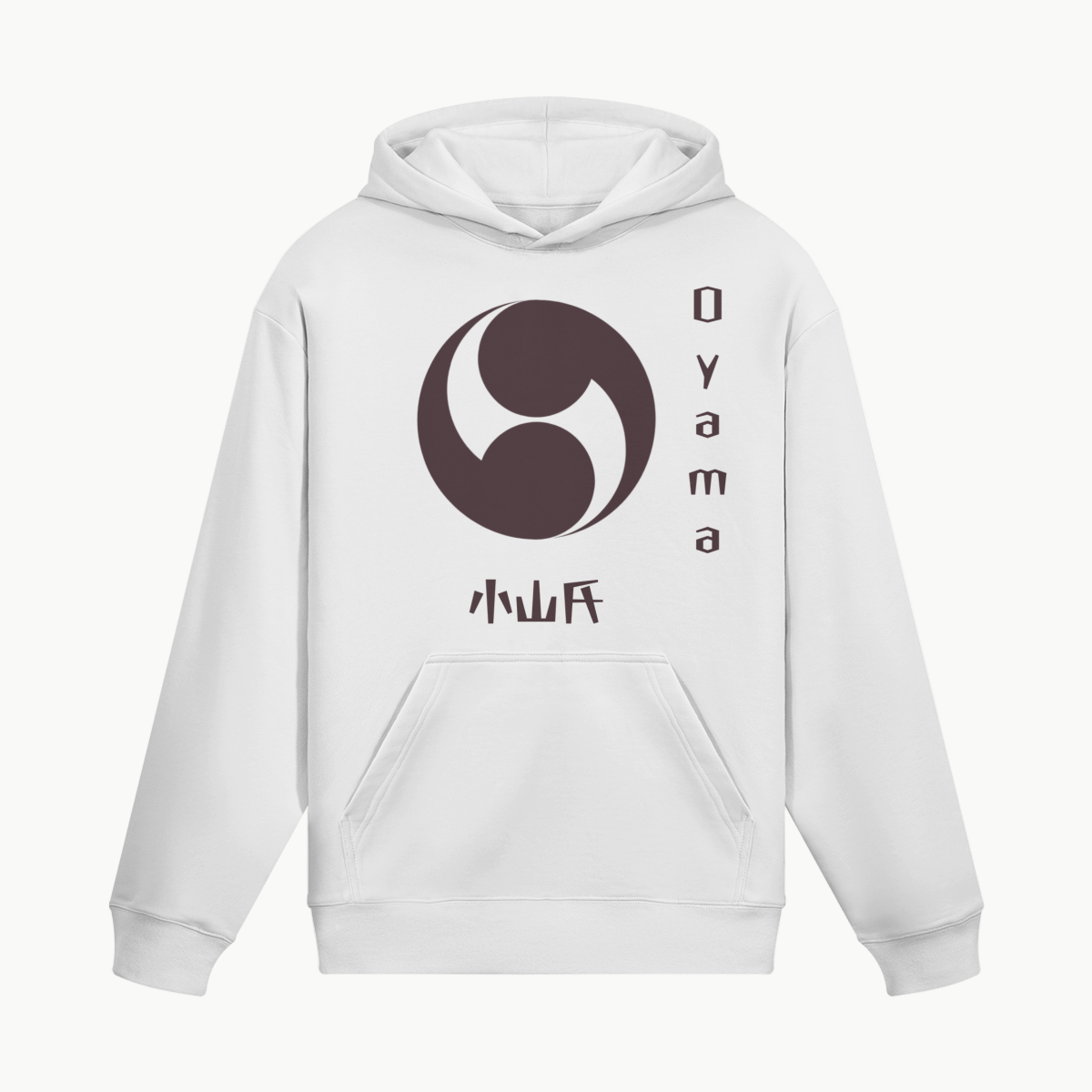
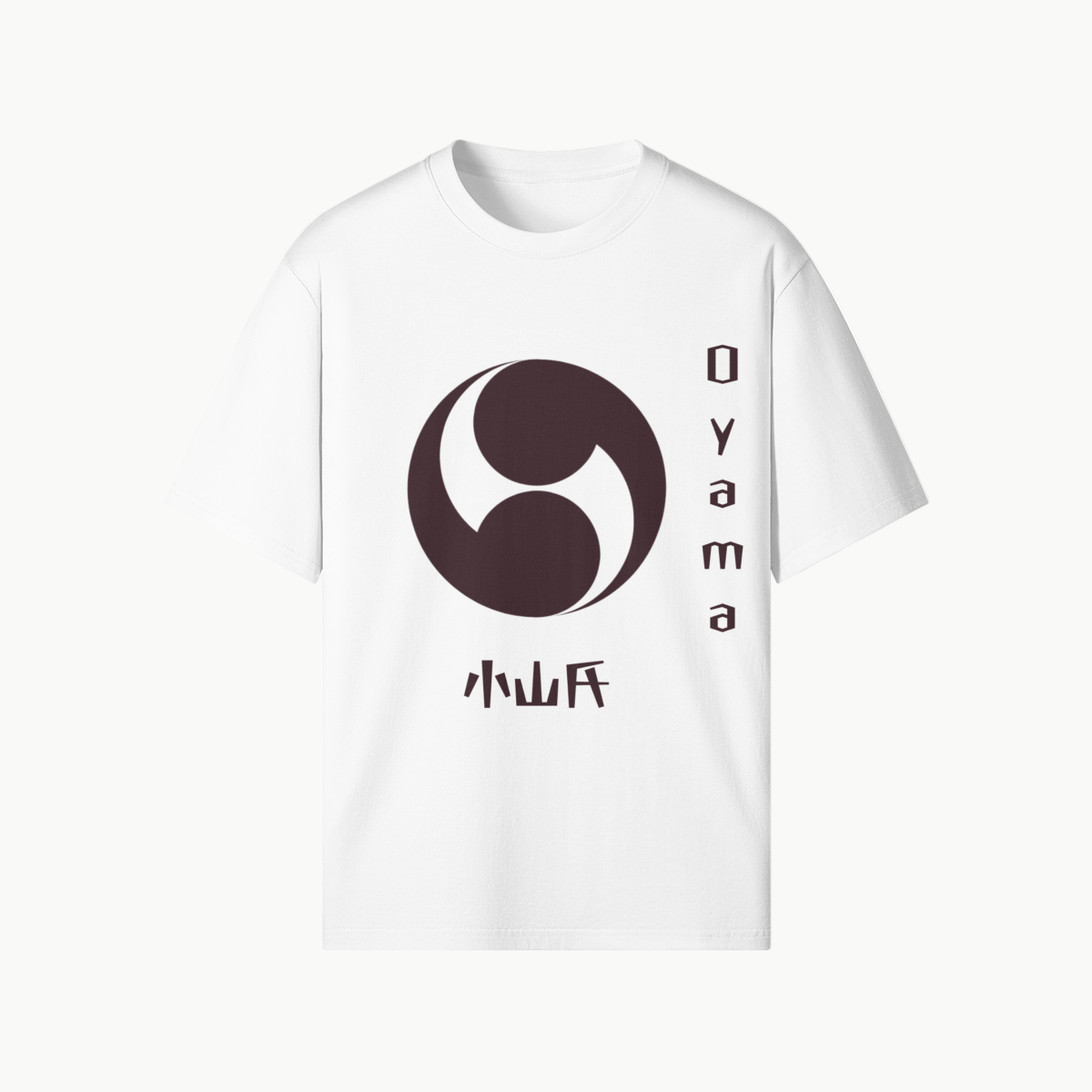
Oyama clan
A samurai family of the Kantō plain, descended from the Fujiwara. Their crest: two tomoe commas swirling in a circle.
Japanese proverb
七転び八起き
Fall seven times, stand up eight.
Short entries: who they are, where the legend comes from, and how to wear them.
Nothing found. Try another word.
Kanji of the week
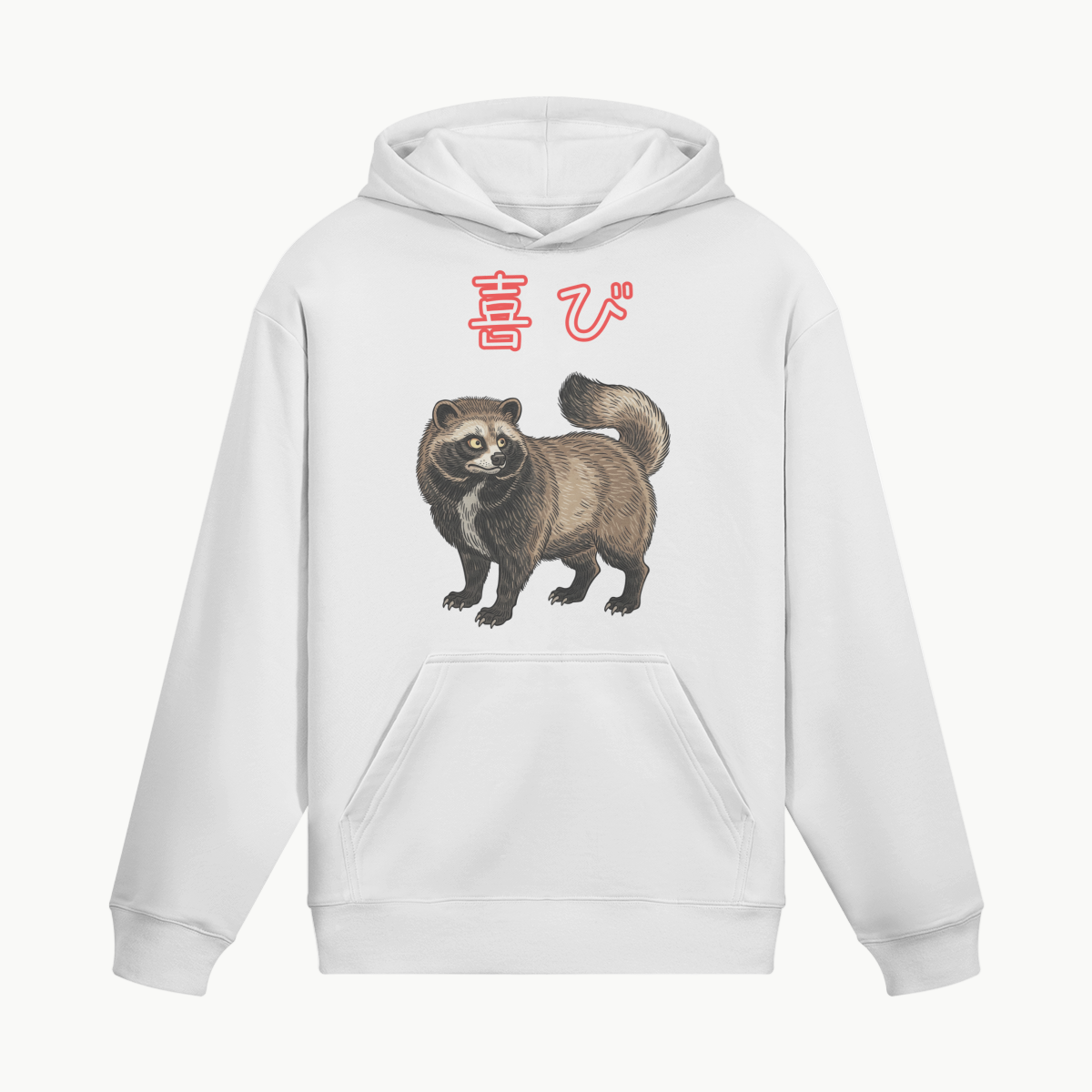
Tanuki
Week 48 2026
狸
tanuki · Tanuki
Smiling tanuki statues with a straw hat and a sake flask stand outside shops and restaurants to bring good luck.
A new kanji every Monday.
Ukiyo-e literally means “pictures of the floating world”. In Edo-period Japan, artists brought that world to life in paintings and woodblock prints.
 Japanese Waterfall Mountain Landscape Canvas
Canvas · from 218,00 zł
 Japanese Kimono Woman Ocean Wind Art Canvas
Canvas · from 218,00 zł
 Traditional Japanese River Life Art Canvas
Canvas · from 218,00 zł
 Japanese Wall Art Canvas Tiger Jungle Scene
Canvas · from 218,00 zł
 Japanese Female Warrior Horseback Art Canvas
Canvas · from 218,00 zł
Every design carries a wish - long life, luck, protection. Free worldwide shipping.
 鶴Cranes for a long, happy life
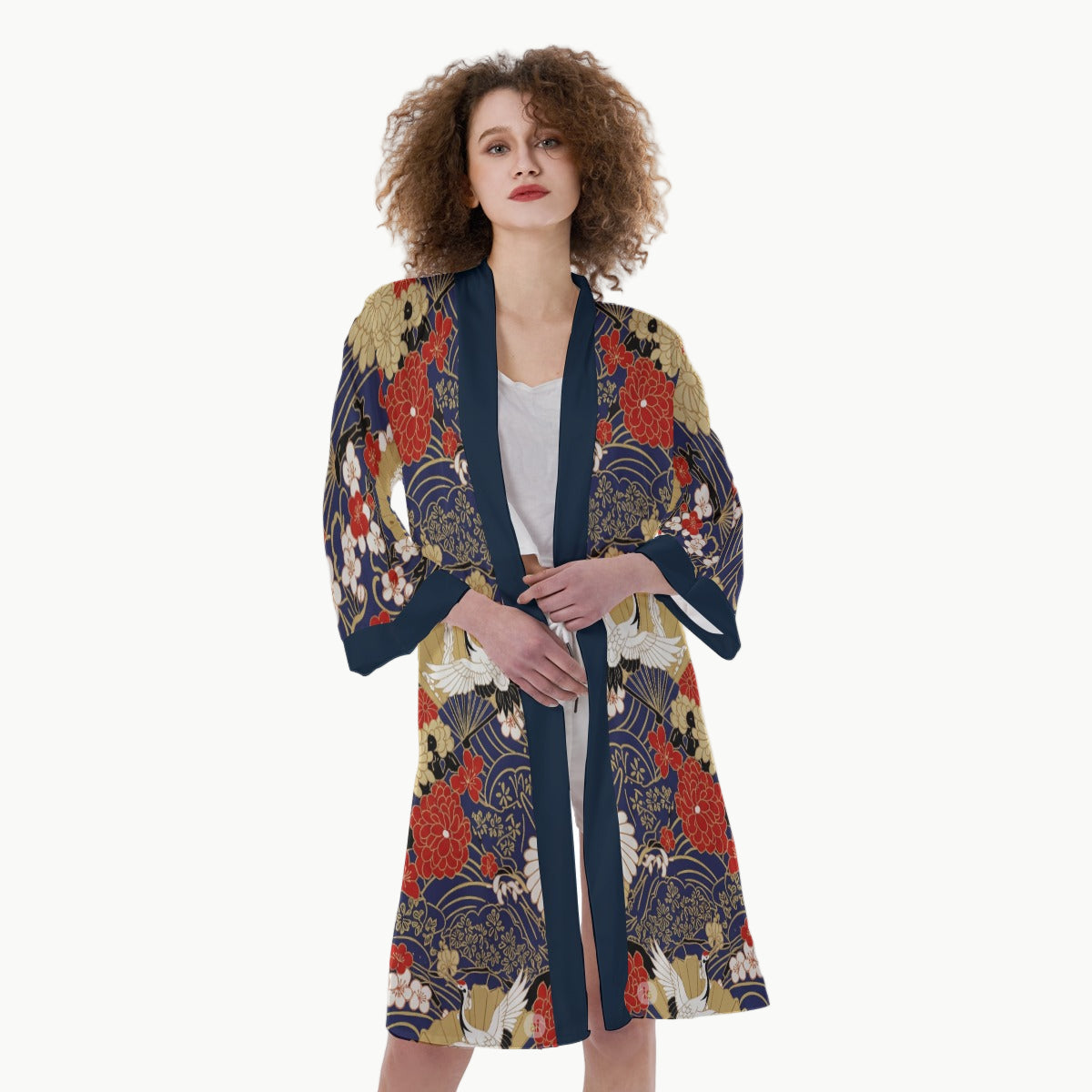
Long Navy Kimono Cardigan with Japanese Cranes
382,00 zł
For history lovers
 家紋A samurai crest with a story
Oda Clan Japanese Hoodie Samurai Crest
287,00 zł
For the home
 浮世絵Art in the ukiyo-e tradition
Traditional Japanese River Life Art Canvas
218,00 zł
Small gifts
 桜Blossoms for new beginnings
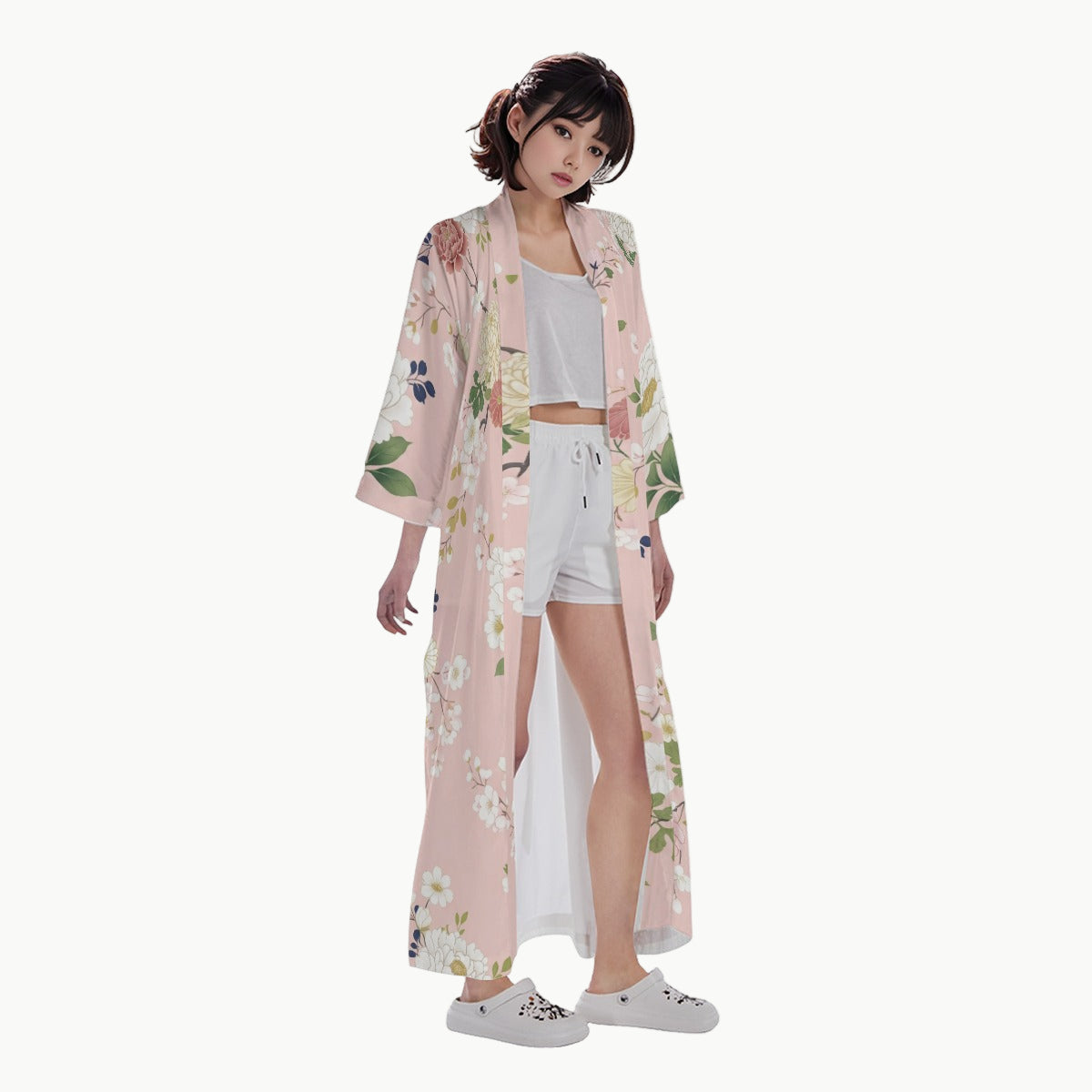
Women's Haori Jacket with Cranes and Cherry Blossoms
205,00 zł
