 Free worldwide shipping
 14-day returns
 Reply within 24 h


Ukiyo-e - pictures of the floating world
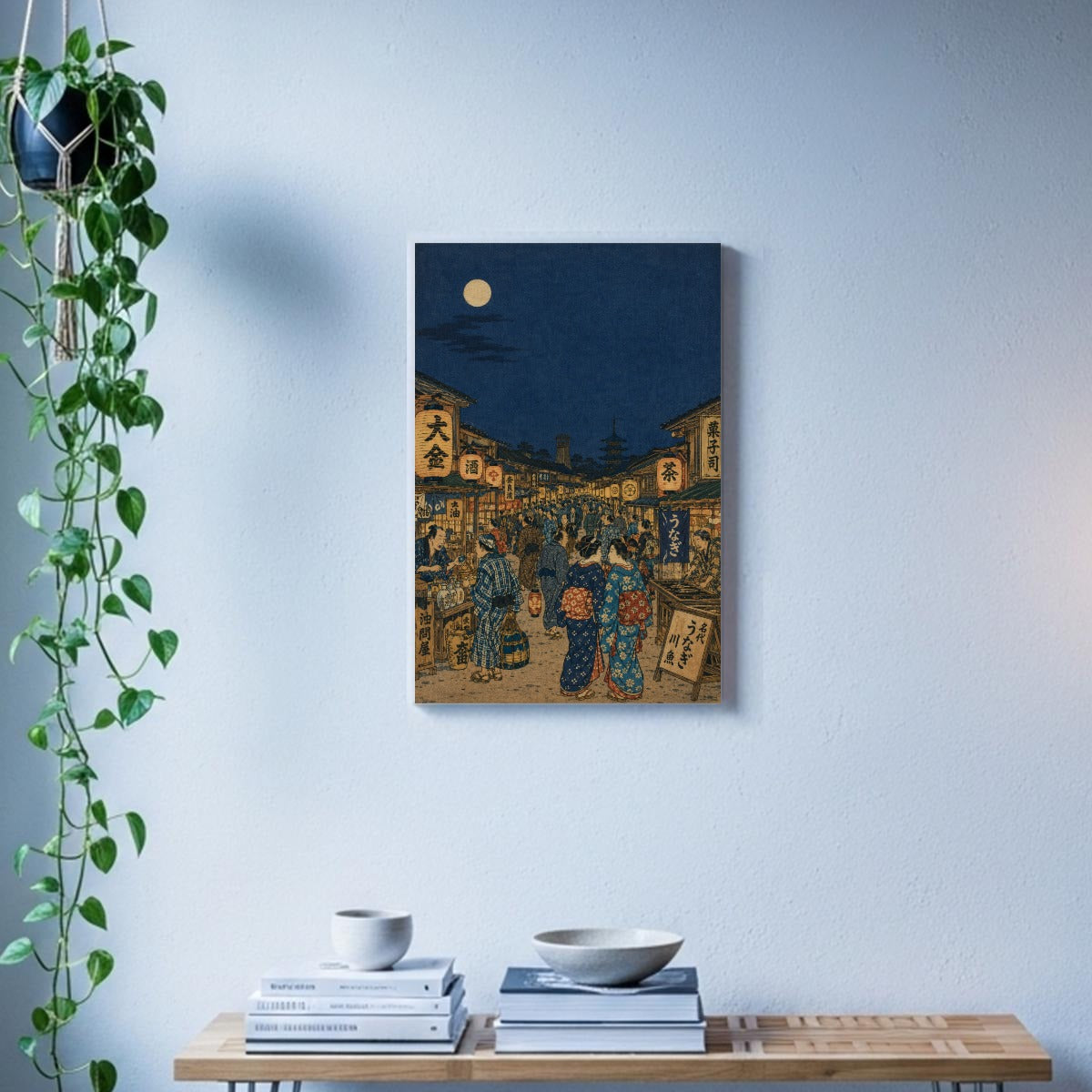
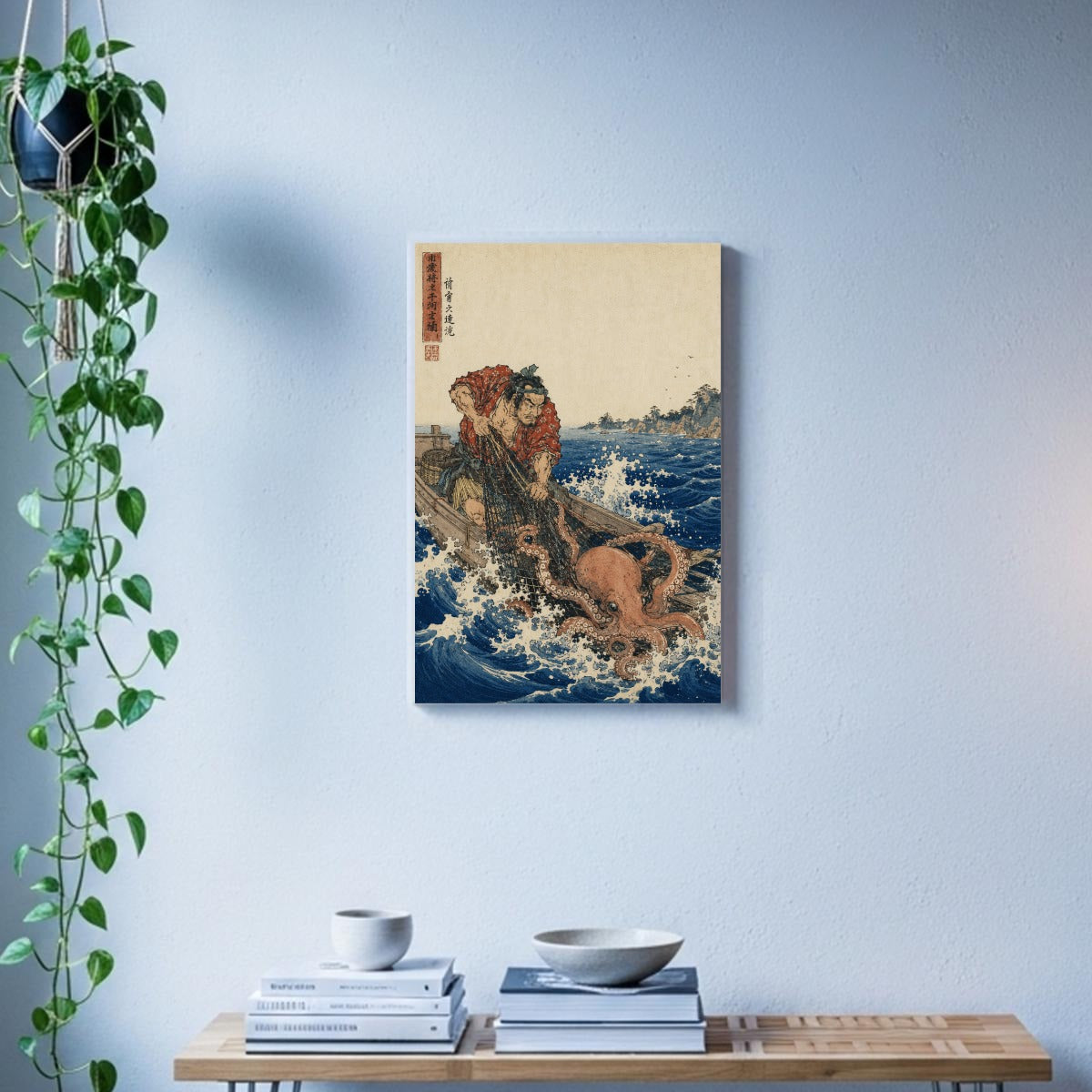
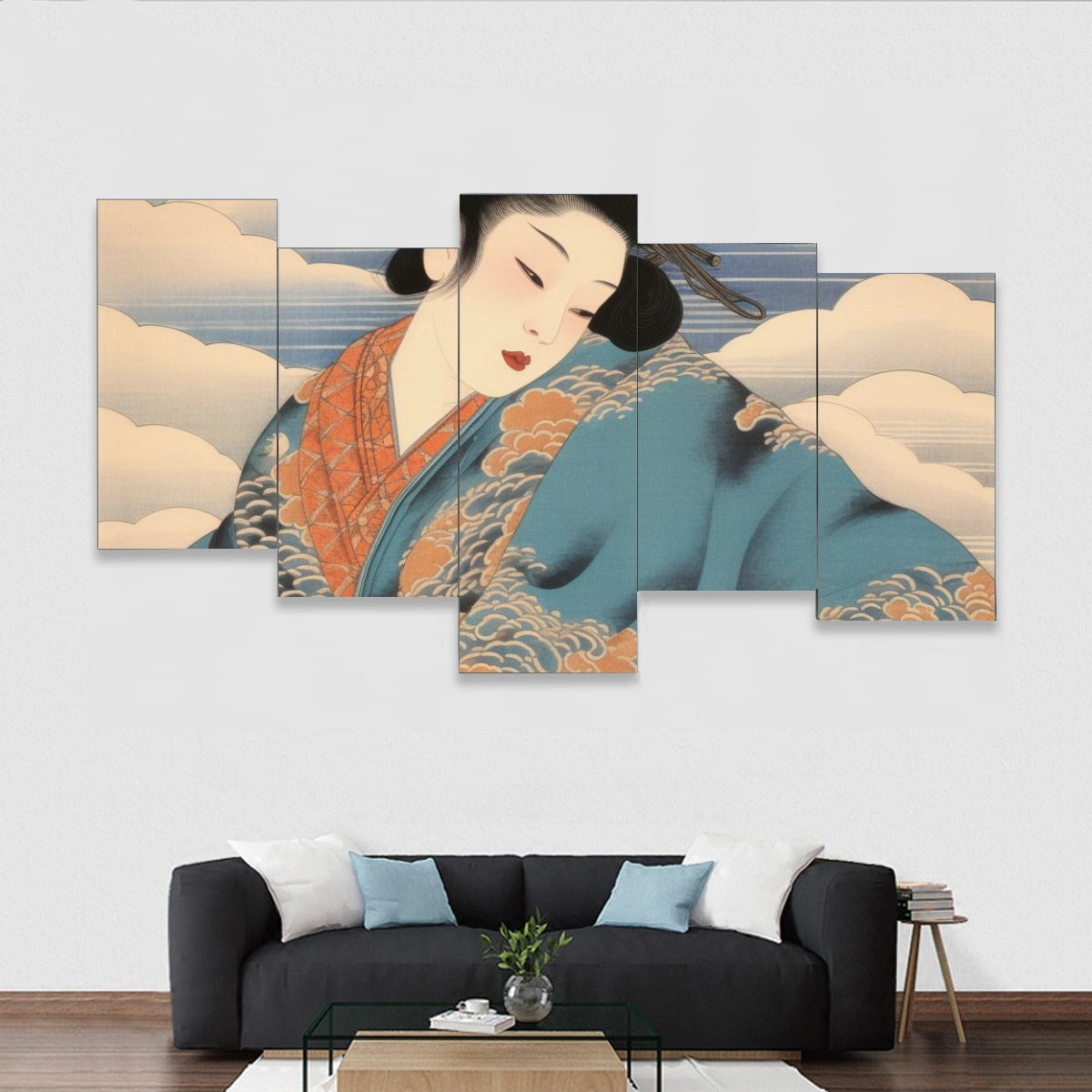
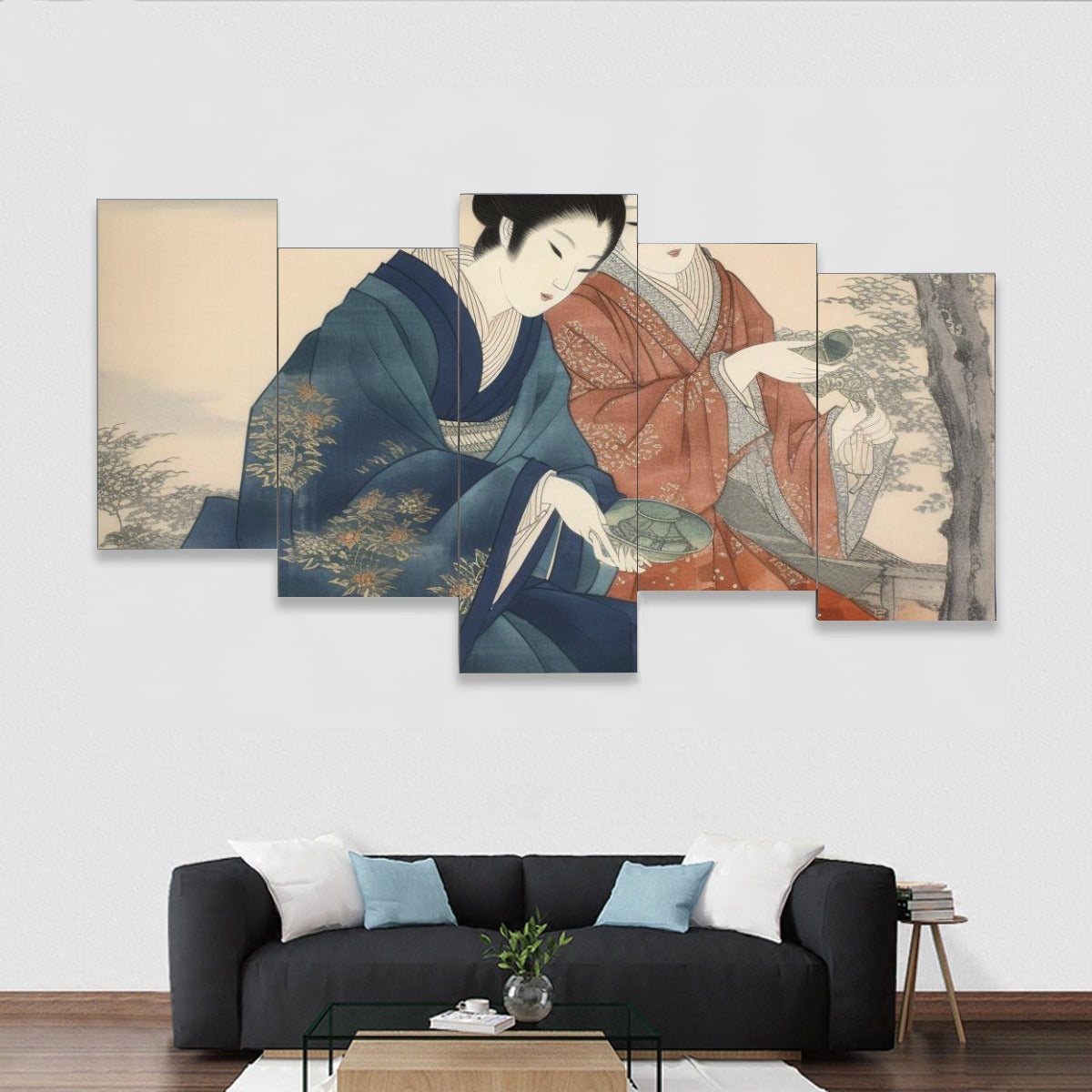
Colourful woodblock prints of actors, beauties, landscapes and legends that ordinary people in Edo-period Japan could afford to buy.
- In Japanese
- 浮世絵 (ukiyo-e)
- Type
- Art genre, paintings and woodblock prints
- Symbol of
- The joy of everyday life, the beauty of the moment
- Look for
- Bold outlines, flat colours, landscapes and kabuki actors
The floating world
Ukiyo-e means "pictures of the floating world": the world of theatre, teahouses and pleasure in cities like Edo, today’s Tokyo. The genre flourished from the 17th to the 19th century.
How a print was made
An artist drew the design, a carver cut the blocks, and a printer applied successive colours to the paper by hand. Printing multiple impressions made many designs affordable to a wide audience.
What it means
- Everyday life
- art for ordinary people
- The moment
- enjoying the passing world
- Craft
- artist, carver and printer working together
Wear the legendAll designs
The masters
Hokusai and Hiroshige made the great landscape series, Utamaro painted beauties and Kuniyoshi warriors and monsters. Ukiyo-e inspired Van Gogh, Monet and the movement known as Japonisme.
Questions
Who are the most famous ukiyo-e artists?
Katsushika Hokusai, Utagawa Hiroshige, Kitagawa Utamaro and Utagawa Kuniyoshi are among the best known.
