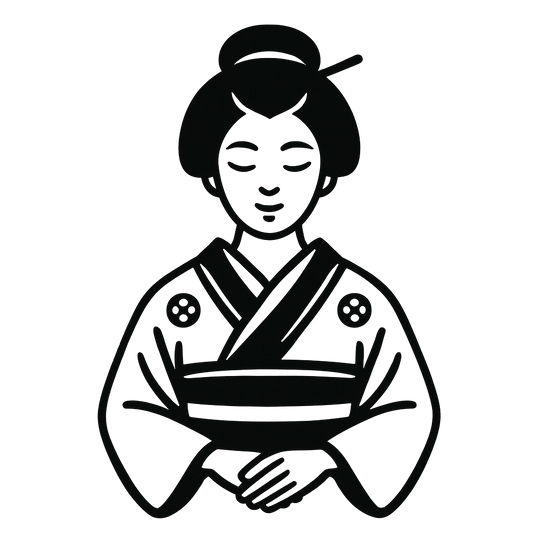

Spirit of the Kimono #1: Kimono - How to Create Beautiful Japanese Outfits Using the Classic Kimono?
More Than Just a Garment
The word kimono literally translates to "thing to wear." It is a deceptively simple name for a garment that carries the weight of an entire nation's history, aesthetics, and social hierarchy. In the realm of Japanese fashion, the kimono is the ultimate symbol of grace, but it is also a masterclass in geometric engineering.
For centuries, traditional Japanese clothing was defined by the straight-line cut. Unlike Western tailoring, which seeks to accentuate the curves of the body, the Japanese kimono aims to create a flat, cylindrical silhouette, turning the wearer into a walking scroll of art. But as we move further into the modern era, the way we perceive this "thing to wear" is shifting. We are seeing a renaissance of Japanese style where the old world meets the new. This is the era of the modern kimono, a time when the boundaries between a formal tea ceremony and a late-night street photography session are beginning to blur.
The Anatomy of a Classic – Understanding the Traditional Kimono
Before we can experiment with kimono styling, we must respect the architecture of the garment. The traditional Japanese clothing system is based on the "tanmono"—a single bolt of fabric about 36 centimeters wide and 12 meters long.
The Components of a Kimono Outfit
A complete, formal kimono outfit is more than just the robe. It is an ecosystem of layers and accessories:
-
Nagajuban: The under-kimono that keeps the outer silk clean.
-
Obi: The wide sash that secures the garment and provides a focal point for the design.
-
Obijime and Obiage: Functional and decorative cords and scarves that hold the Obi in place.
-
Tabi and Zori: Split-toe socks and traditional sandals.
The Language of Patterns
In Japanese fashion, the pattern on your Japanese kimono isn't random. It tells a story about the season, the wearer's age, and their social status. For instance, the lotus flower represents purity and rising above the mud—a fitting theme for our series. When choosing Japanese clothing, the "Komon" (small repeated patterns) is great for casual wear, while "Houmongi" (visiting clothes) features flowing patterns that cross the seams, making them more formal.
The Rise of the Modern Kimono
In recent decades, a movement has emerged to make the kimono accessible again. This has led to the birth of the modern kimono, which prioritizes ease of wear and unconventional materials.
Cotton, Denim, and Polyester
While silk remains the gold standard for traditional Japanese clothing, the modern kimono often utilizes denim or high-quality synthetics. This makes the kimono outfit easier to wash and more durable for daily life in the city. Denim kimonos, in particular, have become a staple of contemporary Japanese style, offering a rugged texture that pairs perfectly with boots.
The Haori: The Gateway to Kimono Styling
If a full Japanese kimono feels too intimidating, the "Haori" (a hip-length jacket) is the perfect entry point. It provides the silhouette of Japan-inspired clothing without the need for complex tying techniques. Throwing a Haori over a simple Japanese clothing base—like a t-shirt and jeans—is the easiest way to start your journey into kimono styling.

Kimono Streetwear – Where Tradition Meets the Pavement
This is where the magic happens. Kimono streetwear is the subculture that refuses to let the kimono stay in a museum. It takes the elegance of traditional Japanese clothing and injects it with the raw energy of the urban landscape.
Breaking the Rules of Kitsuke
In traditional circles, "Kitsuke" is a strict discipline. In kimono streetwear, the rules are meant to be broken.
-
The Belt Swap: Instead of a traditional silk Obi, try using a tactical nylon belt or a leather corset. This adds an edge to the kimono outfit that feels immediately current.
-
Hoodie Layering: One of the most popular looks in Japanese fashion right now is wearing a modern kimono or Haori over a heavy-duty hoodie. This creates a layered, voluminous look that fits the Urban Samurai aesthetic.
-
Footwear Rebellion: Swap the Zori sandals for high-top sneakers or Doc Martens. This simple change transforms a Japanese kimono from a ceremonial garment into a piece of functional Japanese clothing.
The Tengura Influence
Brands like Tengura are at the forefront of this movement. By focusing on Japan-inspired clothing that respects the original shapes but uses modern graphics and cuts, Tengura allows the wearer to bridge the gap between two worlds. A Tengura piece might feature a classic kimono sleeve but be made of a technical fabric suitable for the modern concrete jungle.
Kimono Styling for Different Occasions
How do you build a kimono outfit that works for your specific life? Japanese style is nothing if not adaptable.
The Casual Day Out
For a stroll through the park or a coffee date, go for a "Yukata" (a summer cotton version of the Japanese kimono). Keep the kimono styling simple. A half-width Obi (hanhaba obi) is easy to tie and doesn't require a lot of padding. This is the ultimate "relaxed" Japanese clothing look.
The Avant-Garde Evening
If you're heading to an art gallery or a fashion event, embrace the modern kimono. Look for bold, monochromatic colors or oversized geometric prints. Pair your kimono outfit with statement jewelry and perhaps a wide-brimmed hat to create a fusion of East and West that is the hallmark of modern Japanese fashion.
Essential Tips for Choosing Your First Japanese Kimono
When you start looking for Japan-inspired clothing, the options can be overwhelming. Here is how to navigate the market:
-
Check the Length: Traditionally, a Japanese kimono is made much longer than the wearer's height and tucked at the waist. However, for a modern kimono look, you might want to look for "tailored" versions that hit right at the ankle.
-
Fabric Weight: If you want to experiment with kimono streetwear, look for mid-weight fabrics that can hold their shape when layered over other Japanese clothing.
-
Vintage vs. New: Vintage shops are gold mines for traditional Japanese clothing. You can find incredible hand-painted silk pieces for a fraction of the cost of a new one. Just be sure to check for "shimi" (spots) or silk rot.
The Art of Accessorizing Your Kimono Outfit
Accessories are the punctuation marks of Japanese style. They can change the entire "sentence" of your look.
The Modern Obi
As mentioned, the Obi is the most important accessory in kimono styling. For a contemporary look, try a "Heko Obi"—a soft, scarf-like sash that can be tied in a messy, voluminous bow. This removes the "stiffness" of traditional Japanese clothing and makes the kimono outfit feel more approachable.

Jewelry and Bags
In traditional Japanese clothing, jewelry is kept to a minimum (usually just hair ornaments like Kanzashi). In modern kimono culture, however, go big. Layered silver necklaces or large rings provide a great contrast to the soft lines of the Japanese kimono. For bags, a simple "Kinchaku" (drawstring bag) is classic, but a sleek leather crossbody bag is the go-to for kimono streetwear enthusiasts.
Gender Fluidity in Kimono Fashion
One of the most exciting aspects of modern kimono culture is its move toward gender neutrality. Historically, men's and women's Japanese kimono had distinct differences in sleeve length and color palettes. Today, those lines are fading.
The Unisex Appeal of Japanese Clothing
Many practitioners of Japanese style are choosing pieces based on aesthetic rather than gender labels. A man might wear a brightly patterned women's Haori as a statement piece, while a woman might opt for the somber, structural elegance of a man's Japanese kimono. This fluidity is a core component of the Tengura philosophy—creating Japan-inspired clothing that speaks to the individual spirit.
Maintaining Your Japanese Clothing
Whether you own a silk heirloom or a modern kimono from a brand like Tengura, proper care is essential to keep your Japanese style looking sharp.
-
Folding: Never hang a silk Japanese kimono for long periods, as it will stretch the seams. Learn the "hontami" fold to keep your traditional Japanese clothing flat and wrinkle-free.
-
Cleaning: Most modern kimono pieces can be dry-cleaned, but always check the label. For kimono streetwear made of cotton or denim, a gentle hand wash is usually best.
-
Air it Out: After wearing your kimono outfit, hang it on a "kimono hanger" (a long horizontal pole) for a few hours to let any moisture evaporate before folding it away.
The Future of the Kimono – A Global Aesthetic
As Japanese fashion continues to influence global runways, the kimono is becoming a staple of international style. It is no longer restricted to the borders of Japan. From the streets of Paris to the festivals of California, Japan-inspired clothing is a way for people to express a love for craftsmanship and history.
The kimono is the "Lotus Flower" of fashion—it has its roots in the deep history of the past, but it continues to bloom in the light of the present. By integrating the Japanese kimono into your wardrobe, you aren't just wearing a garment; you are participating in a thousand-year-old conversation about beauty, identity, and the art of living.
Crafting Your Unique Identity
Creating a beautiful Japanese style using the kimono is a journey of self-discovery. It starts with a respect for the traditional Japanese clothing techniques and evolves into a personal expression through kimono styling. Whether you are going for a full-blown kimono outfit for a special event or just adding a touch of kimono streetwear to your daily routine, remember that the most important element is confidence.
The modern kimono is a tool for transformation. It allows you to step out of the mundane and into a world of artistic intention. Explore the textures, play with the layers, and don't be afraid to mix your Tengura gear with your vintage finds. The world of Japanese clothing is vast, and the kimono is its shining star.